

Hair Botox Aftercare: How to Keep Your Hair Smooth, Healthy, and Radiant
Transforming your hair with hair botox is a luxurious experience, but the real secret to...
Hair loss often begins quietly and becomes noticeable only over time. Learning how to prevent hair loss means targeting its real causes.
Dermatology insights suggest many cases are linked to correctable lifestyle and biological factors. When managed early, hair strength and density can often be better preserved.
Effective hair loss prevention tips include:
Preventing hair loss requires consistent care; supporting scalp health, nutrition, and lowering external stress for stronger hair over time. This guide explains what actually works to prevent hair loss and how to build habits that support long-term scalp and hair health.
Hair loss is driven by a combination of internal biological causes and external environmental stressors. In most cases, hair loss is multifactorial, meaning both layers interact and intensify shedding patterns.
Understanding this split is essential for effective hair loss prevention and long-term scalp health.
Internal causes directly influence the hair follicle cycle, growth rate, and overall hair density. These factors often require long-term balance rather than quick fixes.
1. Genetic Sensitivity and Hormonal Imbalance
One of the most common drivers of progressive thinning is androgenetic alopecia, where genetically sensitive follicles react to DHT (dihydrotestosterone). This leads to the gradual miniaturization of hair strands.
These internal changes often define the baseline risk when learning how to prevent hair loss long-term.
Hormonal fluctuations can also affect the growth cycle, especially during:
2. Nutritional Deficiencies and Balanced Diet
Hair follicles depend on a constant supply of nutrients to maintain strong growth phases. When key nutrients are missing, shedding increases and strand quality decreases. A balanced diet for hair health is a core foundation of any prevention strategy.
Common deficiency-related triggers include:
3. Stress and Hair Loss Cycle Disruption
Chronic stress is a well-known trigger of telogen effluvium, where hair prematurely enters the shedding phase. This condition often appears after emotional strain, illness, or prolonged sleep disruption.
Typical stress-related triggers include:
Managing stress effectively is essential for those trying to understand how to stop hair from falling out.
External causes usually damage the hair fiber or scalp environment. While they may not always affect the follicle directly, they significantly impact visible density and texture.
1. Mechanical Stress and Traction Damage
Daily styling habits can place continuous tension on the roots, leading to gradual weakening over time. This is known as traction-related hair loss, which is often preventable with simple habit changes.
Common risks include:
2. Heat Styling and Chemical Overprocessing
Frequent use of styling tools and chemical treatments weakens the internal structure of the hair strand. Reducing these exposures is essential in any how to prevent hair loss routine focused on hair protection.
Key damage sources include:
3. Environmental Stress and Scalp Oxidation
External environmental factors slowly degrade scalp quality and hair resilience over time. These factors increase oxidative stress, which can weaken both scalp balance and hair quality.
Main contributors include:
In such cases, early diagnosis and professional hair loss treatment can help slow down progression and support follicle recovery.
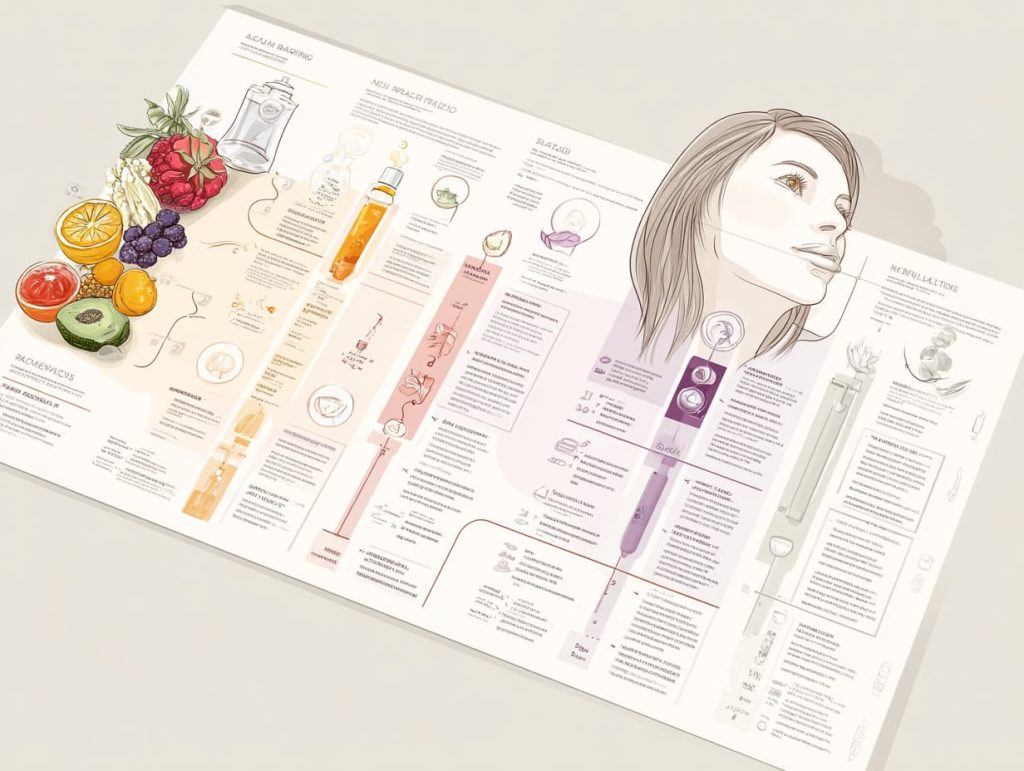
Hair loss prevention works best as a multi-layer system. It combines scalp balance, follicle protection, nutrition, and lifestyle regulation. Consistency across these areas creates stronger, more stable hair growth conditions over time.
| # | Strategy | Key Actions | Purpose / Benefit |
|---|---|---|---|
| 1 | Microbiome-Friendly Scalp Hygiene | Use mild pH-balanced shampoo, gentle massage, avoid over-washing | Maintains scalp balance and supports healthy follicle activity |
| 2 | Reduce Scalp Inflammation | Treat dandruff early, avoid scratching, use calming formulas | Protects follicles from long-term weakening |
| 3 | Low-Irritation Hair Products | Use sulfate-free shampoo, avoid harsh alcohols, reduce buildup | Strengthens scalp barrier and reduces damage |
| 4 | Reduce Traction Stress | Avoid tight hairstyles, rotate parting, allow loose hair time | Prevents follicle stress and traction-related shedding |
| 5 | Limit Heat Styling Damage | Reduce heat tools, use protection sprays, prefer air-drying | Prevents keratin breakdown and hair fragility |
| 6 | UV and Pollution Protection | Use protective sprays, cover hair in sun, cleanse after exposure | Reduces oxidative stress on hair fibers |
| 7 | Minimalist Hair Care System | Keep consistent products, avoid frequent changes | Supports scalp stability and long-term balance |
| 8 | Adjust Washing Frequency | Wash based on scalp oiliness, avoid extremes | Maintains natural oils and scalp health |
| 9 | Nutritional Optimization | Ensure protein, iron, zinc, vitamin D intake | Supports follicle metabolism and growth cycles |
| 10 | Hydration and Sleep Stability | Maintain sleep routine, drink water consistently | Improves regeneration and recovery processes |
| 11 | Limit Chemical Processing | Space out coloring and treatments, allow recovery time | Preserves hair structure and resilience |
| 12 | Stress Control | Exercise, structured routines, rest support | Reduces stress-related hair shedding |
| 13 | Track Early Hair Changes | Monitor shedding, density, and texture changes | Enables early intervention before visible loss |
Scalp cleanliness is not only about washing, but about preserving the natural balance that supports follicle activity. A stable scalp environment reduces blockage and supports continuous growth cycles.
Chronic micro-inflammation is a hidden driver of progressive hair weakening. Addressing it early helps protect long-term follicle function and density retention.
Hair strength depends on maintaining the lipid barrier around the strand and scalp. Harsh formulations gradually weaken both structure and resilience.
Continuous tension at the roots can weaken follicles and contribute to traction-related shedding patterns. Mechanical relief supports natural growth stability.
High heat exposure alters keratin structure, increasing fragility and breakage that can resemble hair loss. Controlled usage preserves strand integrity.
Environmental stress accelerates oxidative damage in the hair shaft. Protective habits help preserve shine, elasticity, and long-term strength.
Overcomplicated routines can destabilize scalp conditions. A simplified system supports predictability, balance, and better long-term results.
Cleansing frequency should follow scalp behavior, not fixed rules. Proper balance helps maintain natural oils while avoiding the buildup of stress.
Hair follicles are highly metabolically active and depend on consistent nutrient delivery. Deficiencies often appear early, such as shedding or reduced density.
Hair growth is closely linked to systemic recovery processes. Sleep and hydration directly influence follicle regeneration efficiency.
Repeated chemical treatments weaken structural integrity over time. Recovery intervals are essential for maintaining hair resilience.
Stress affects hormonal signaling that regulates the hair growth cycle. Long-term imbalance can trigger increased shedding phases.
Early detection allows for more effective intervention before visible thinning develops. Small changes often signal underlying shifts in the growth cycle.
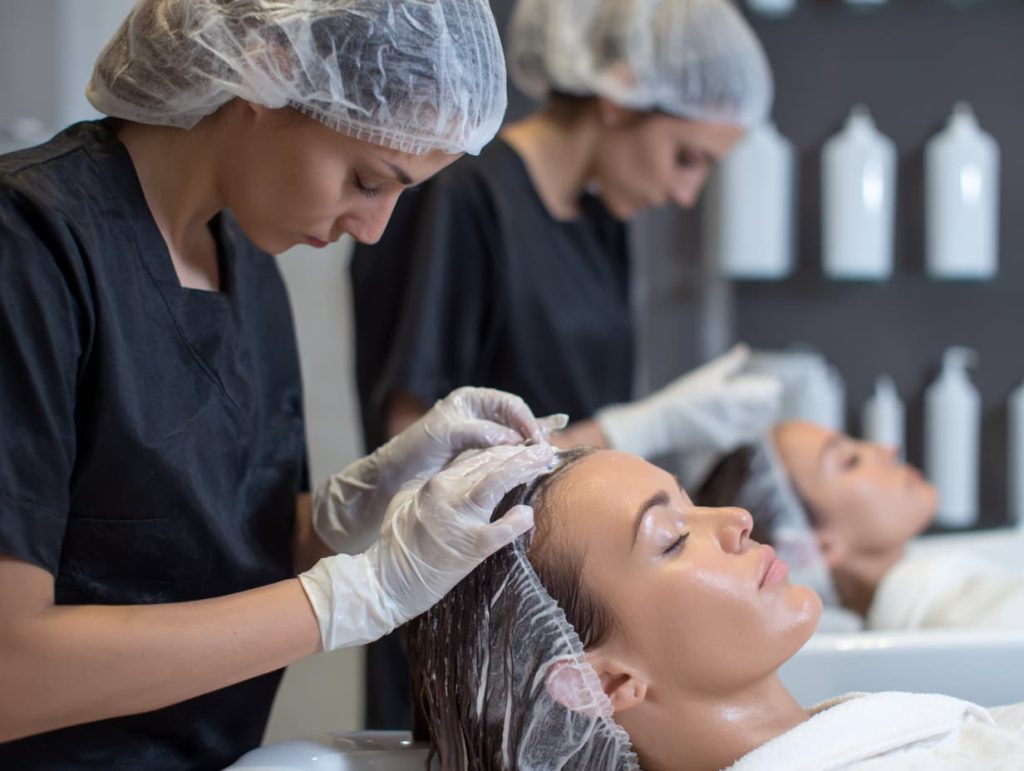
Healthy hair does not begin with styling. It begins with care, consistency, and attention to the scalp’s condition and the hair’s internal strength.
At Heli Beauty, premium hair services in Istanbul are built around precise, targeted care and advanced scalp therapies such as hair mesotherapy, designed to support follicle activity and improve overall hair density from the root.
It brings you a healthier hair texture, reduced breakage, and visibly stronger hair maintained over time.
A personalized hair care system is never one-size-fits-all. Research in scalp health shows that tailored routines improve hair density, reduce breakage, and support a more stable growth cycle over time.
Hair type directly affects sebum production, moisture retention, and cleansing frequency. Choosing the wrong routine can disrupt scalp balance and weaken strands over time.
Correct identification of hair type is essential for an effective hair loss prevention routine for healthy scalp balance.
Your daily habits shape scalp condition more than most people realize. Activity level, styling habits, and environmental exposure all influence how your routine should be structured.
Your hair care routine for hair loss prevention should adjust based on how your scalp is exposed daily, not only on product preference.
For more resistant cases of hair thinning, at-home care may be combined with clinical treatments like hair mesotherapy to support long-term results and improve scalp vitality.
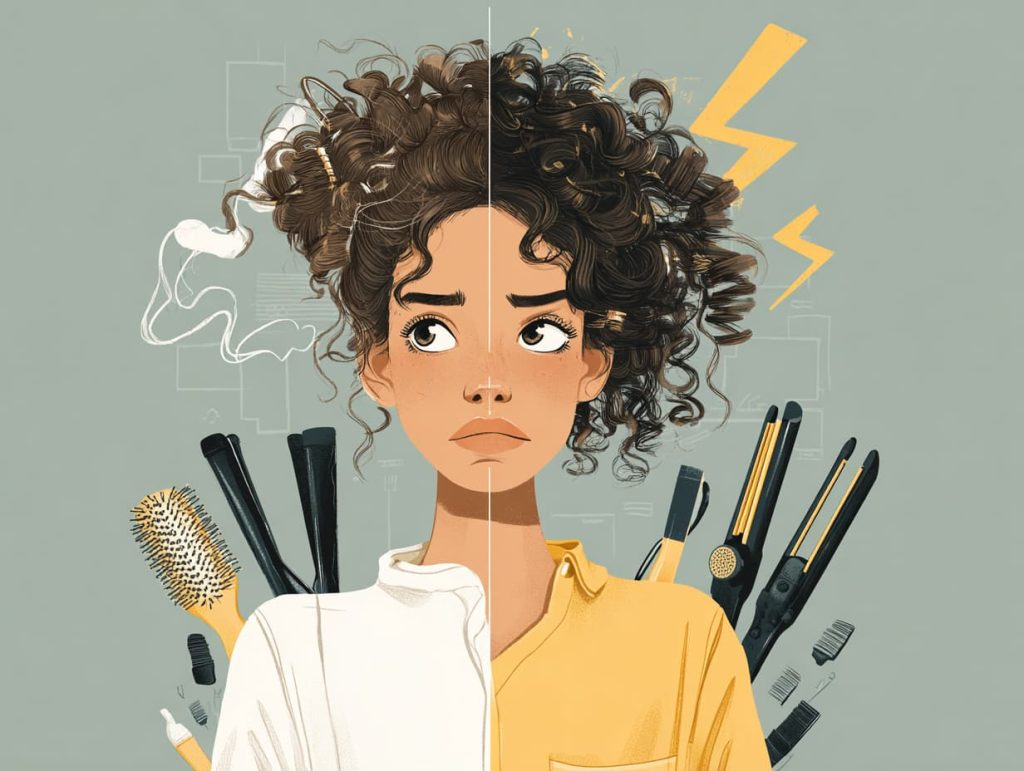
An effective routine not only treats the surface. It also responds to internal and external hair loss causes that affect follicle performance.
A successful hair loss prevention routine works only when hair type, lifestyle, and underlying triggers are aligned. This alignment creates a stable scalp environment, improves follicle efficiency, and reduces long-term shedding risk.
Foods rich in protein, iron, omega-3 fatty acids, and key vitamins support stronger hair from within. Eggs, salmon, spinach, nuts, and legumes help nourish follicles and improve overall hair resilience. A nutrient-rich diet is a core part of hair loss prevention tips.
Yes. High stress levels can trigger telogen effluvium, a condition where more hair shifts into the shedding phase. Over time, chronic stress can weaken hair density. Managing stress is essential for long-term hair loss prevention and scalp balance.
Current research is still limited, but many discussions focus on hormonal changes that may influence shedding patterns.
If you are concerned about supplements, it is important to evaluate your overall nutrition and consider whether does creatine cause hair loss is relevant to your personal hair health situation.
Effective hair loss prevention tips include maintaining a balanced diet for strong follicle support, reducing frequent heat styling, managing stress levels, and following a consistent scalp care routine.
These habits support stronger roots, improve scalp balance, and encourage healthier growth cycles over time. They also create the right foundation for those looking into how to grow hair faster in a sustainable and healthy way.
A healthy scalp is the foundation of strong hair growth. Keep it clean, avoid product buildup, and use gentle cleansing products. Regular scalp care helps maintain balance, reduces irritation, and supports optimal follicle activity.
Yes. A balanced diet for hair plays a key role in follicle strength and growth regulation. Nutrient deficiencies, especially in iron, zinc, and protein, can contribute to thinning and increased shedding.
Supplements for hair loss may include biotin, vitamin D, iron, zinc, and omega-3 fatty acids. They help support hair structure and growth when dietary intake is not sufficient. They work best alongside a healthy lifestyle.
For most hair types, washing 2–3 times per week is ideal. This helps maintain natural scalp oils while preventing buildup. Overwashing or using harsh formulas may weaken strands and disrupt scalp balance.
Yes. Hormonal changes during pregnancy, menopause, or thyroid imbalance can disrupt the natural hair growth cycle. This often leads to temporary or, in some cases, longer-term shedding.
Frequent heat styling can weaken the hair shaft over time. While it does not directly cause follicle loss, it leads to breakage that may appear as thinning. Reducing heat exposure supports healthier, stronger hair.
If hair loss is sudden, excessive, or continues for several months, professional evaluation is recommended. It may indicate underlying issues such as hormonal imbalance, nutritional deficiency, or scalp conditions requiring targeted treatment.
Time for a Self Love Appointment!
Elevate Your Look with Our Luxurious Services