


Hair Botox Aftercare: How to Keep Your Hair Smooth, Healthy, and Radiant
Transforming your hair with hair botox is a luxurious experience, but the real secret to...
Is your hair shedding more than usual, or does it feel like your volume is slowly changing over time? These early signs often point to an imbalance in the natural growth cycle that may require a targeted hair loss treatment approach.
But do not worry, there are several FDA-approved treatments that can support every stage of hair loss and help preserve your natural hair.
Best hair loss solutions:
Each treatment option works differently depending on the stage and underlying cause of thinning, from slowing progression to reactivating dormant follicles.
With the right strategy, it is possible to support healthier growth and maintain stronger, fuller-looking hair over time.
Hair loss often starts slowly, which can make it difficult to notice at the beginning. You may begin to see more hair in your brush or in the shower, which can feel concerning.
Understanding these early changes is an important part of effective hair loss treatment, as it helps distinguish normal shedding from true hair loss. It also provides clarity on how the natural hair cycle works and why a balance between growth and shedding is essential for maintaining healthy density.
Hair loss (alopecia) happens when hair falls out faster than it regrows. A certain amount of shedding is normal and part of the natural renewal process.
Hair grows in a natural cycle with three main phases:
When this cycle stays balanced, hair remains full and healthy. When it is disrupted, more hairs enter the shedding phase too early, leading to noticeable thinning.
Hair loss is usually caused by a combination of factors working together rather than a single reason.
In some cases, fitness supplements are also questioned, including topics like does creatine cause hair loss, which is often discussed in relation to overall hair health and hormonal balance.
Early hair loss treatment decisions start with noticing small changes in the hair cycle. Hair shifts often happen slowly, so early thinning can be easy to miss. A few extra strands in the shower or subtle changes in texture can still be normal.
When these signs continue, they may indicate the beginning of hair loss. Understanding this is an important first step in how to prevent hair loss and in how to stop hair from falling out, helping you respond early before the condition progresses.
Normal shedding is part of a healthy cycle, with around 50 to 100 hairs lost each day. This process does not affect overall volume, as new growth replaces the shed hair in balance.
Early thinning, however, signals a disruption in this balance and may require early hair loss treatment attention. Instead of temporary shedding, there is a gradual loss of density. Hair may feel less full, and styling may no longer hold the same volume. Over time, the growth cycle becomes less stable, making the change more noticeable.
| Aspect | Normal Shedding | Early Thinning |
|---|---|---|
| Daily loss | 50–100 hairs | Feels increased over time |
| Volume | Stable | Gradual decrease |
| Growth cycle | Balanced | Disrupted |
| Appearance | No visible change | Less fullness |
| Progression | Steady | Progressive |
Early signs often include slightly wider parting, reduced density, or a less full appearance when styling. In some cases, the hairline may slowly recede, especially at the temples. These changes are gradual and become clearer over time or in comparison with past photos.
Some patterns go beyond normal shedding and may require expert evaluation.
These signs differ from typical gradual thinning and should be assessed professionally.
Evaluation usually includes a scalp examination, a review of medical history, and blood tests, if needed, to check for hormones or deficiencies. This helps identify whether the issue is temporary shedding or a condition requiring treatment.
In most cases, professional consultation provides clarity and direction rather than indicating a serious problem.
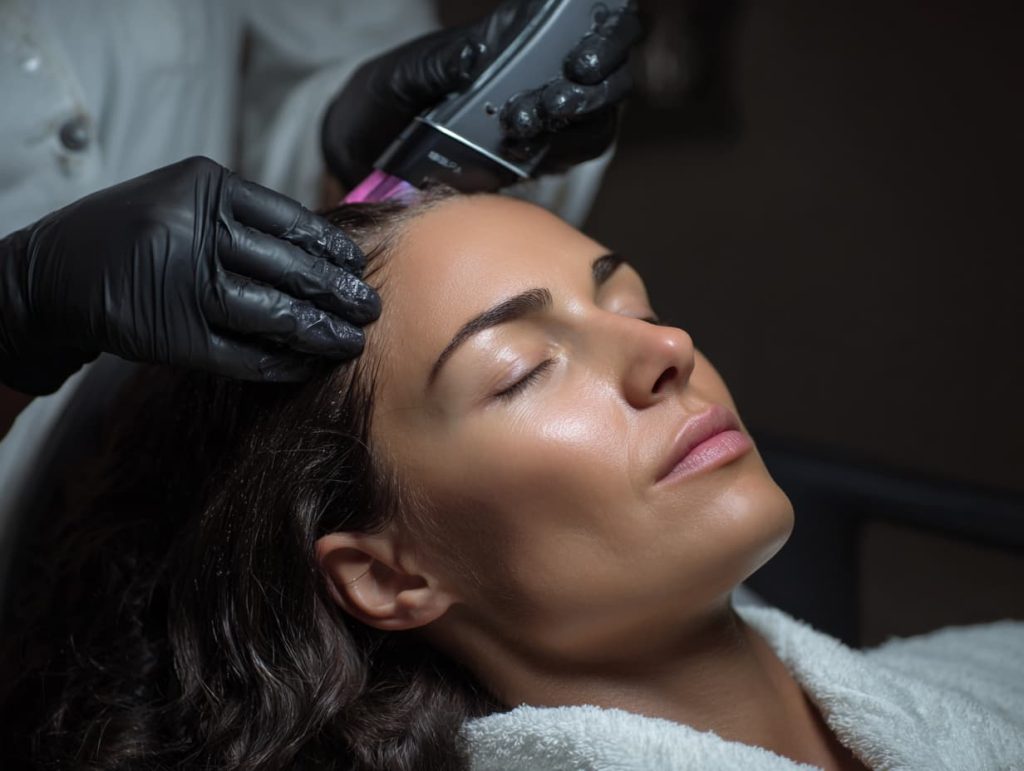
Hair care must be a refined experience where science meets elegance. We believe true beauty begins with care before concern appears, protecting your hair’s health long before thinning or damage becomes visible.
Recognized among the best hair services in Istanbul, Heli Beauty combines expert technique with high-quality care to support the long-term health of your hair. Every service is designed to maintain strength, softness, and natural shine while keeping the hair structure balanced and protected.
From advanced restorative treatments to simple, effective salon care, each step is delivered with precision and calm attention. The result is hair that feels healthier, looks smoother, and naturally reflects effortless, well-maintained beauty.
FDA-approved hair loss treatments are the most clinically validated options for managing hair loss and hair thinning.
They are designed to slow progression, support regrowth, and maintain existing hair when used consistently over time. In most medical approaches, these treatments are considered the foundation of any long-term hair restoration plan.
| Treatment | Type | Best For | How It Works | Key Benefits | Important Notes |
|---|---|---|---|---|---|
| Minoxidil | Topical (applied to scalp) | Men and women with early to moderate thinning | Supports blood flow around hair follicles and helps extend the growth phase | Promotes gradual regrowth, helps maintain active follicles, widely accessible | Requires consistent daily use; results fade if treatment is stopped |
| Finasteride | Oral (prescription) | Men with genetic (pattern) hair loss | Reduces DHT hormone activity, which is linked to follicle shrinkage | Slows hair loss progression, may improve hair density over time | Must be used under medical supervision; long-term use needed for stability |
Minoxidil is one of the most widely used hair regrowth treatments for early to moderate thinning. It is applied directly to the scalp and works by supporting blood flow around hair follicles, helping them stay in a more active growth phase.
It is commonly used as a first-line option for hair thinning remedies, especially in cases where follicles are still active. Results usually develop gradually, and consistent use is important to maintain improvements. When stopped, hair loss may return to its previous pattern.
Finasteride is an oral prescription treatment used mainly for male pattern hair loss. It works by reducing the activity of DHT, a hormone linked to genetic hair thinning.
It is considered one of the most effective hair loss solutions for slowing down progression in men with hereditary thinning. Over time, it may help reduce further loss and, in some cases, improve density. Regular use under medical supervision is essential for stable results.
FDA-approved options are not quick fixes, but structured treatments that focus on long-term control of hair loss causes and solutions. They are often most effective when started early, before significant hair density is lost.
For many people, these treatments form the base of a wider plan that may include how to grow hair faster strategies through medical support, scalp care routines, and clinical procedures.
Together, they represent the most evidence-based approach to managing hair thinning in a consistent and controlled way.
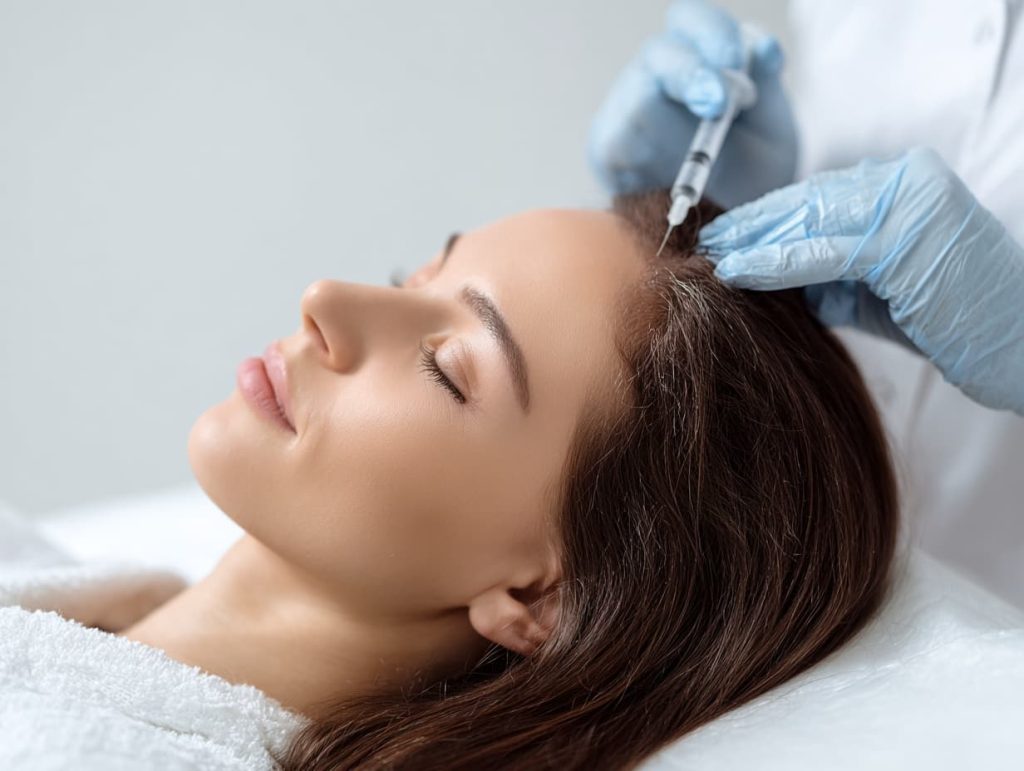
Advanced hair regrowth treatments are used when thinning becomes more noticeable and basic care is no longer enough. These methods work at different stages of hair loss and are often combined based on how active the follicles are and how much density has already been lost.
| Treatment | Type | Best For | How It Works | Key Benefits | Important Notes |
|---|---|---|---|---|---|
| PRP (Platelet-Rich Plasma) | Injectable (from your own blood) | Early to moderate thinning | Uses growth factors from your blood to stimulate weakened follicles | Improves hair density gradually, supports natural regrowth | Requires multiple sessions; results build over time |
| Microneedling | Minimally invasive (micro-injuries to scalp) | Early thinning and product absorption support | Creates tiny channels in the scalp to boost collagen and enhance treatment absorption | Enhances effectiveness of topical treatments, supports scalp renewal | Best used in combination with other therapies |
| Mesotherapy | Injectable (vitamins and nutrients) | Mild to moderate thinning | Delivers active ingredients directly into the scalp to nourish follicles | Supports scalp health, improves hair quality | Considered a complementary treatment, not a primary solution |
| Low-Level Laser Therapy (LLLT) | Device-based (red light therapy) | Early to moderate thinning | Uses light energy to stimulate follicles and extend growth phase | Non-invasive, supports hair strength and retention | Requires consistent, long-term use for visible results |
| Hair Transplant (FUE/FUT) | Surgical | Moderate to advanced hair loss | Moves healthy follicles to thinning or bald areas | Long-term restoration, natural-looking density | Requires recovery time; results depend on donor area quality |
PRP uses a small sample of your blood, which is processed and injected into the scalp to stimulate weakened follicles. It is best suited for early to moderate thinning and works gradually to improve hair density over time.
Mesotherapy delivers vitamins and active ingredients directly into the scalp through micro-injections. It supports follicle health but is generally considered a complementary treatment rather than a primary solution.
You can learn more about hair mesotherapy as a supportive clinical option used in mild to moderate thinning cases.
Mesotherapy delivers vitamins and active ingredients directly into the scalp through micro-injections. It supports follicle health in mild to moderate thinning but is generally considered a complementary treatment rather than a primary solution.
LLLT uses red light to stimulate hair follicles and slow down hair loss. It works best with consistent use and is most effective in early to moderate stages of thinning.
A hair transplant moves healthy follicles from donor areas to thinning or bald regions using FUE or FUT techniques. It is designed for more advanced hair loss and offers long-term restoration results.
Together, these treatments form a step-by-step approach, from stimulating early thinning to restoring more advanced hair loss cases.
Hair loss does not follow a single pattern, so the most effective hair loss solutions depend on how early it is detected and how advanced it has become. A stage-based approach helps set clear expectations and improve treatment results.
| Stage of Hair Loss | Condition | Recommended Solutions | Treatment Focus | Expected Outcome |
|---|---|---|---|---|
| Early Stage | Mild thinning, active follicles | Topical treatments, scalp care routines, consistent maintenance | Prevention and stabilization of the hair cycle | Slower progression, improved scalp health, maintained density |
| Moderate Stage | Noticeable thinning, weakened follicles | Combination of topical/oral treatments with PRP or microneedling | Multi-level stimulation and follicle support | Improved regrowth, stronger follicles, better density over time |
| Advanced Stage | Significant thinning or bald areas, inactive follicles | Hair transplant procedures with ongoing supportive care | Restoration and long-term maintenance | Recovered hair density in treated areas, more balanced and natural look |
In early hair loss treatment, thinning is usually mild and more manageable. The focus is on prevention and stabilizing the hair cycle.
Gentle topical treatments, improved scalp care, and consistent routines can help slow progression and support early regrowth. The main goal is to protect existing follicles and maintain density.
At this stage, a combination approach is often needed for better hair regrowth treatments results.
Topical or oral treatments are commonly paired with clinical options such as PRP or microneedling. This supports weaker follicles from multiple angles and improves overall scalp activity.
In advanced hair loss, the focus shifts from stimulation to restoration. When follicles are no longer active, hair transplant procedures become a key hair loss solution.
Even after restoration, ongoing care is important to maintain surrounding hair and overall density. Long-term maintenance supports more natural and balanced results.
Choosing the right hair loss treatment depends on the stage, consistency, and combination strategy. A structured approach leads to more realistic and sustainable outcomes.
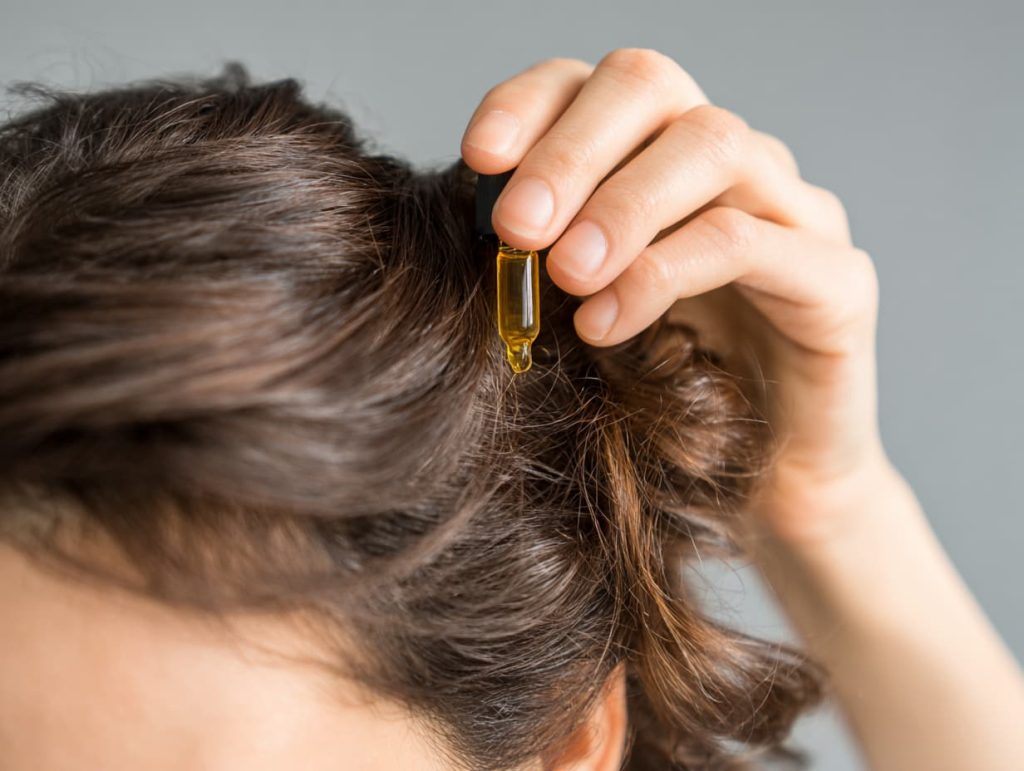
A complete hair loss treatment plan is not only about clinical care or products. It also depends on daily habits that support the body from within. These lifestyle factors do not replace advanced treatments, but they strengthen results and improve long-term scalp health.
Hair is a protein-based structure, so consistent nutrition is essential for any effective hair thinning remedies. A balanced diet rich in protein helps maintain hair strength, while iron and key vitamins support normal follicle activity and growth.
When nutrients are lacking, hair may gradually become weaker and more prone to shedding. This slow change makes nutrition a core part of long-term treatment, especially when supporting other hair regrowth treatments.
Stress directly affects the hair growth cycle. During periods of high emotional or physical stress, more follicles can enter the shedding phase earlier than normal, leading to visible hair loss.
This type of shedding is often temporary. As stress levels improve, the cycle usually stabilizes again, allowing natural recovery. Managing stress is therefore an important supportive step in hair thinning remedies and overall scalp health.
Simple daily routines can make a meaningful difference in hair condition. Quality sleep supports natural repair processes, including those linked to growth and regeneration.
Hydration helps maintain scalp balance, while gentle scalp care keeps follicles clean and active. These habits support the effectiveness of other hair loss treatments.
Together, these natural and lifestyle factors create a stable foundation for healthier hair. When combined with medical and clinical approaches, they contribute to some of the best hair loss solutions for long-term results.
The most effective hair loss treatments include FDA-approved options like minoxidil and finasteride. These help slow shedding and support regrowth when used consistently. Many people also combine them with hair regrowth treatments such as PRP for hair loss or microneedling for better results.
Yes, in many cases, hair can regrow if follicles are still active. Early use of hair thinning remedies like topical treatments or PRP for hair loss improves the chance of visible regrowth over time.
For early stages, gentle topical hair loss treatments, scalp care, and lifestyle changes are often the first step. These help slow progression and support natural regrowth before stronger medical treatments are needed.
Most hair loss treatment options take 3 to 6 months to show visible changes. Regrowth is gradual, and consistent use is important for stable results.
PRP for hair loss may help improve hair density in early to moderate thinning. It supports weak follicles but works best as part of a combined hair regrowth treatments plan, not as a standalone solution.
Yes, stress can trigger temporary shedding by disrupting the natural hair cycle. This type of hair loss often improves once stress levels stabilize and the body returns to balance.
You should see a specialist if hair loss is sudden, patchy, or continues to worsen. Early diagnosis helps identify the cause and choose the right treatment before the condition progresses.
The best hair loss solutions usually combine medical treatments, hair regrowth treatments, and healthy daily habits. A balanced approach that includes scalp care, nutrition, and clinical support delivers the most sustainable results.

Time for a Self Love Appointment!
Elevate Your Look with Our Luxurious Services