



Hair Botox Aftercare: How to Keep Your Hair Smooth, Healthy, and Radiant
Transforming your hair with hair botox is a luxurious experience, but the real secret to...
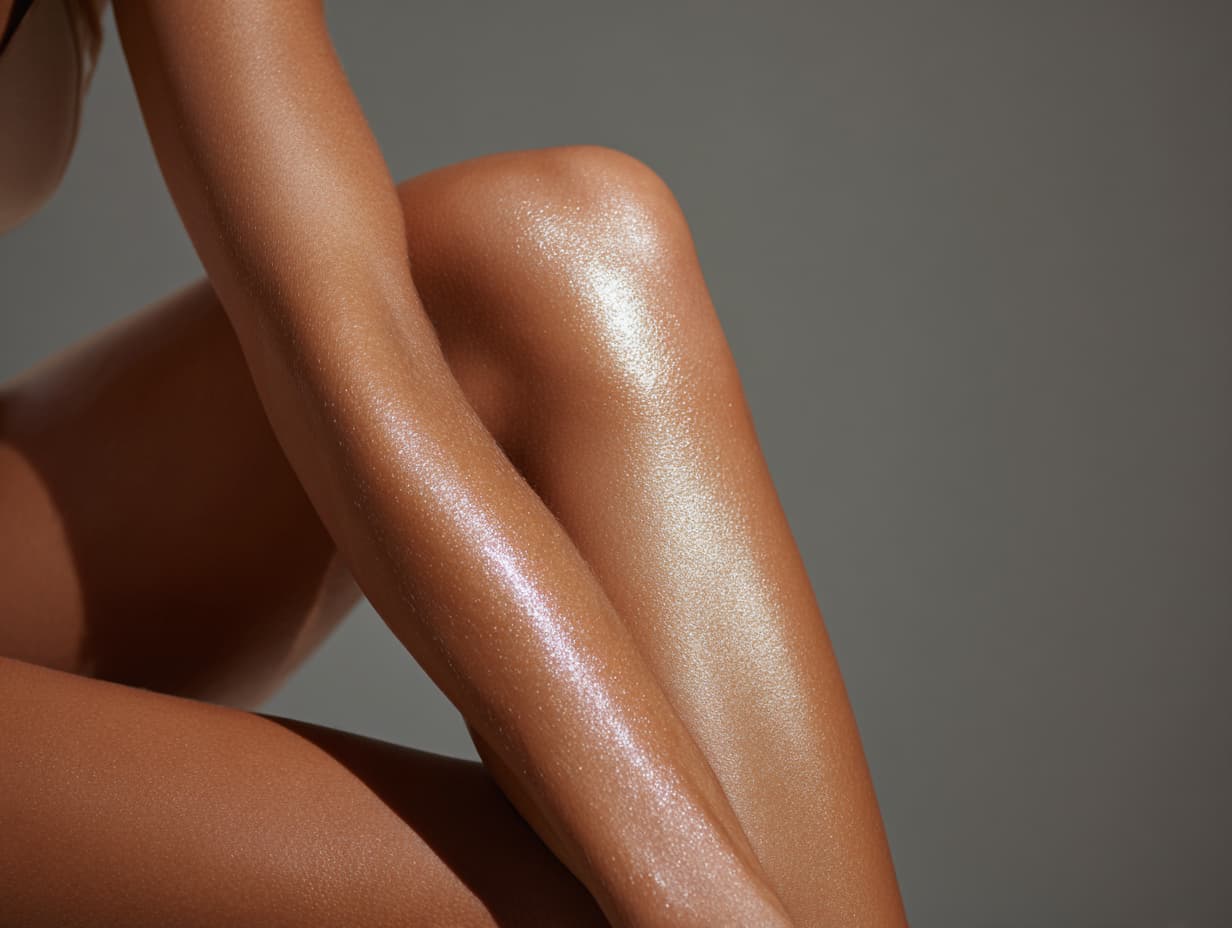
Laser hair removal offers smooth, refined skin with long-lasting results. Yet the real secret behind flawless results is not only the treatment itself. It is the care that follows.
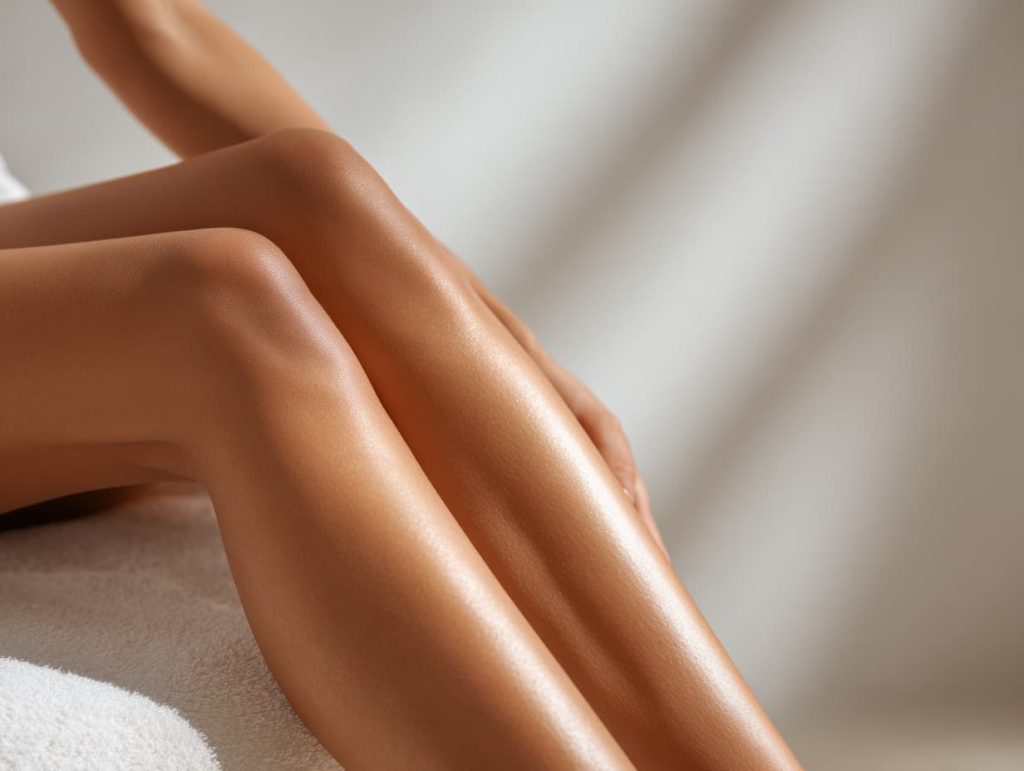
Laser hair removal aftercare plays a key role in how your skin heals, feels, and looks over time. After each session, the skin enters a delicate phase. It may feel warm, sensitive, or slightly red. This is a natural response to the heat used during the treatment.
Some of the essential Laser Hair Removal Aftercare include:
Proper laser hair removal aftercare soothes the skin, reduces irritation, and ensures long-lasting, smooth results.
This guide breaks everything down by immediate care, ongoing maintenance, and what to avoid for optimal healing. For a complete approach to post-treatment care, you can see our Ultimate Guide to Beauty Aftercare.
Laser hair removal aftercare is an essential part of the treatment. The laser uses controlled heat to reach the hair follicle beneath the skin. This heat helps reduce future hair growth. At the same time, it affects the skin surface.
For a short period, the skin becomes more sensitive. Proper laser hair removal aftercare helps keep the skin calm and comfortable.
During the treatment, light energy passes through the skin and reaches the hair root. The pigment in the hair absorbs this light and turns it into heat. This heat weakens the follicle and slows regrowth.
Meanwhile, the skin barrier becomes delicate. Mild redness or warmth may appear. Laser hair removal aftercare supports the skin as it heals and regains balance.
Proper laser hair removal aftercare is essential for healthy skin recovery. It supports the skin after each session and helps maintain a smooth, even appearance. When the skin is well cared for, results become more refined over time.
With proper care after every session, the skin stays protected and responsive. Over time, this creates more consistent and lasting results.

The first 24–48 hours after laser hair removal are the most important for healing. The skin is sensitive and needs calm, gentle care to reduce inflammation and protect the skin barrier.
The first step is to lower surface heat and calm redness. Apply a cool, damp cloth for short intervals to soothe the skin.
Clean the treated area with lukewarm water and a mild, fragrance-free cleanser. Pat dry gently to avoid friction and further irritation.
Wear breathable, loose clothing to avoid rubbing and heat build-up. Soft fabrics let the skin breathe and reduce the risk of irritation.
Hydrate the skin with a gentle, non-comedogenic moisturizer to aid barrier repair. Consistent hydration helps reduce tightness and speeds recovery.
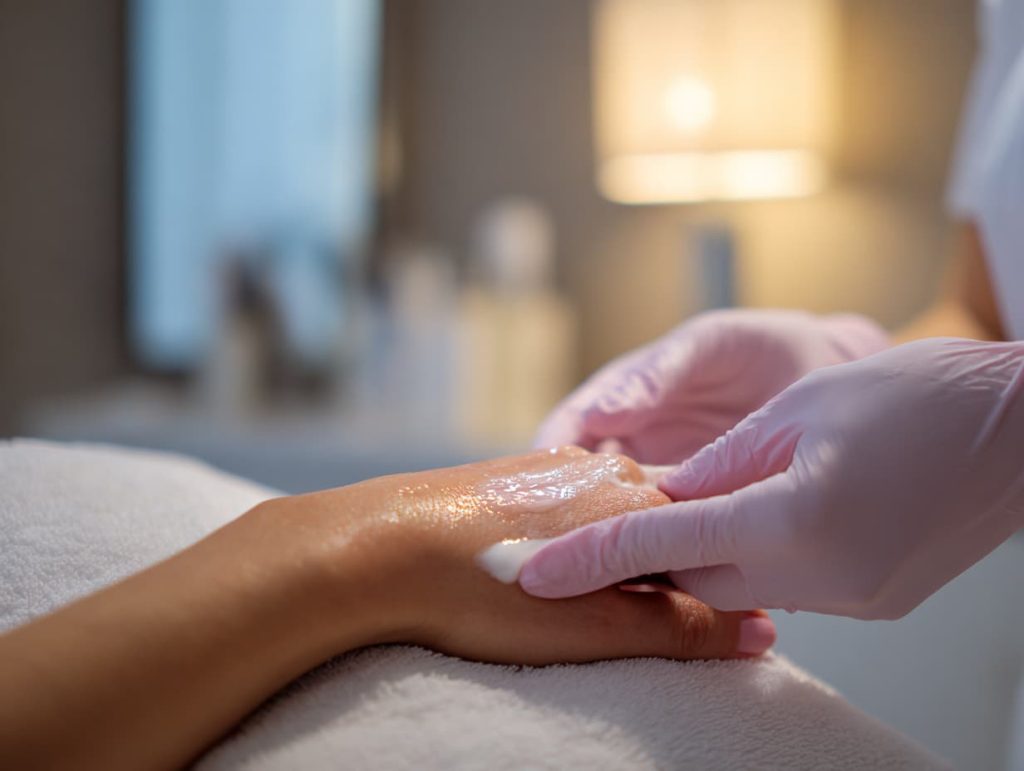
At Heli Beauty, advanced laser technology removes unwanted hair with precision while preserving the skin’s natural balance and comfort. Each session is carefully tailored to your skin type, delivering safe, smooth, and long-lasting results with a polished finish over time.
Located in the heart of Istanbul, Heli Beauty’s premium laser hair removal service blends clinical precision with a luxury skincare approach. Every treatment is supported by expert care, gentle aftercare guidance, and a strong focus on skin health.
Reveal smooth, elegant skin that feels effortless, refined, and beautifully maintained.
Laser hair removal aftercare is not complete without understanding what to avoid after laser hair removal. The skin is sensitive after treatment and reacts easily to heat, friction, and strong products. Following these critical don’ts helps prevent irritation, pigmentation, and delayed healing.
Avoiding certain activities and products protects both skin safety and treatment results. These guidelines focus on prevention and long-term effectiveness during the recovery phase.
| Category | What to Avoid | Why It Matters | Safe Timing / Guidance |
|---|---|---|---|
| Heat exposure | Hot showers, baths, saunas | Increases redness, swelling, and weakens the skin barrier | Avoid for 48–72 hours |
| Physical stress | Intense exercise, heavy sweating | Sweat and heat can irritate follicles and slow healing | Rest for 24–48 hours |
| Water exposure | Swimming pools, ocean, hot tubs | Chlorine, salt, and bacteria may cause irritation or infection | Avoid until skin is fully calm |
| Strong skincare | Fragrances, acids, retinoids, exfoliants | Can cause burning, peeling, and pigmentation | Pause for at least 1 week |
| Cosmetic products | Deodorant, makeup on treated areas | Can clog pores and increase irritation | Wait 24–48 hours |
| Hair removal methods | Waxing, tweezing, epilators | Removes hair from the root and reduces laser effectiveness | Avoid between sessions |
| Chemical depilatories | Hair removal creams | Can burn sensitive post-laser skin | Do not use; shaving only is safe |
Heat increases skin temperature and extends redness and swelling. Hot water can weaken the skin barrier after laser treatment. Avoid heat exposure for at least 48–72 hours to allow proper healing.
Exercise raises blood flow and creates sweat, which can irritate treated skin. Sweat may also trap bacteria in open follicles. Rest for 24–48 hours before returning to intense physical activity.
Chlorine, salt, and bacteria can irritate sensitive skin after laser hair removal. Water exposure may increase the risk of infection. Avoid swimming until the skin feels calm and fully recovered.
Active ingredients can cause burning, peeling, or pigmentation on treated skin. The skin barrier is fragile during early recovery. Pause strong skincare products for at least one week.
Applying products too soon can block pores and cause irritation. Underarms and facial areas need extra care after laser treatment. Wait 24–48 hours before using deodorant or makeup on treated zones.
These methods remove the hair from the root, which disrupts laser results. The laser needs the hair follicle to remain intact. Avoid these methods between laser sessions.
Chemical hair removers can burn or irritate sensitive skin after treatment. They may slow healing and increase discomfort. Shaving is the only safe hair removal method between sessions.
Following this laser aftercare list of what to avoid after laser hair removal helps protect your skin and your results. Careful avoidance supports safe healing and long-term hair reduction.
For related guidance, you can also read our article on what to do after a tanning bed session to better understand post-exposure skin care and recovery.
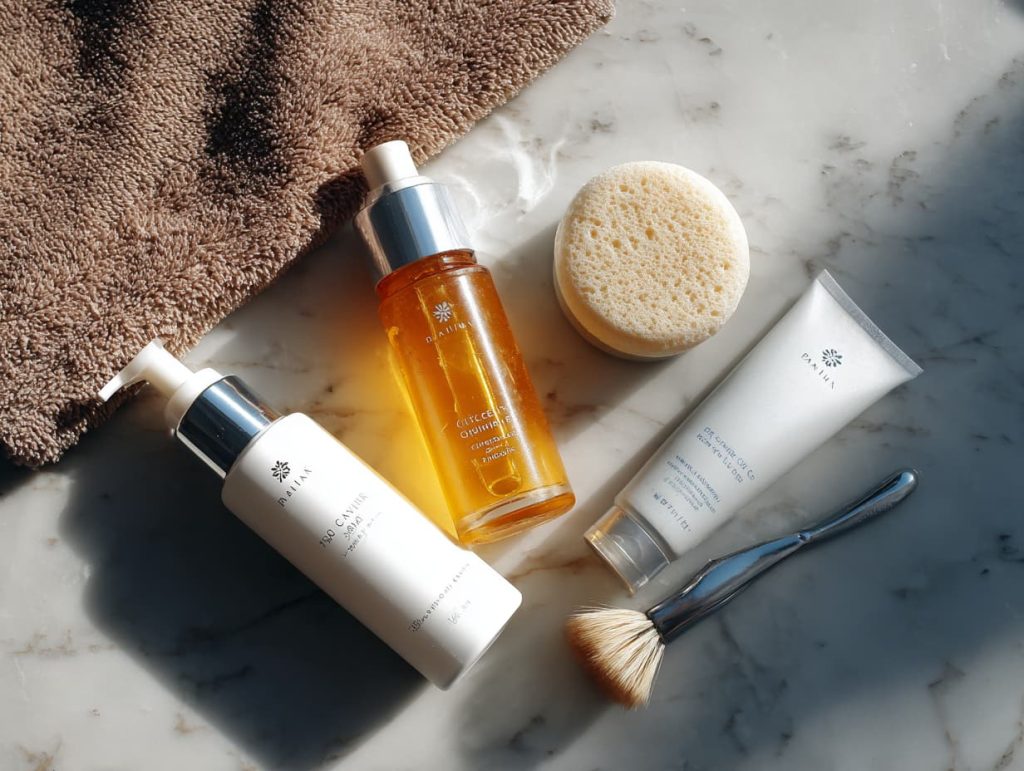
Between sessions, the skin needs consistent care to stay smooth and balanced. This stage supports better healing and more refined results over time.
Keep the routine simple and gentle. Cleanse with lukewarm water and a mild, fragrance-free cleanser, then pat dry. Apply a lightweight moisturizer with ceramides or panthenol to support the skin barrier. Use SPF 30+ daily to protect against pigmentation.
Start exfoliation after 5–7 days, once the skin is calm. Use soft tools or mild acids like lactic acid or PHAs. Limit to 1–2 times per week. Shave gently in the direction of hair growth and avoid waxing or epilation.
Reintroduce active skincare slowly after about one week. Start with low strength and increase gradually. Keep hydration and sun protection consistent to support smooth, even results.
After laser hair removal, the skin enters a sensitive recovery phase. The goal is simple. Calm inflammation, restore the barrier, and protect against pigmentation. Every product you use should support healing without adding stress to the skin.
The most effective aftercare focuses on barrier repair and gentle hydration. These ingredients help reduce redness, support recovery, and keep the skin comfortable after treatment.
The skin is more reactive after laser treatment, so strong or active ingredients should be paused. These can increase irritation and slow down recovery.
Avoid retinoids, AHAs, BHAs, alcohol-based products, fragrance, and menthol. Also avoid scrubs and any chemical exfoliants until the skin is fully calm and stable.
Sun exposure is one of the main risks after laser treatment. It can trigger pigmentation and uneven skin tone, especially in the first days.
Use broad-spectrum SPF 30 or higher every day. Avoid direct sun exposure when possible. For the first 48 hours, also avoid heat exposure such as saunas, hot showers, and intense workouts.
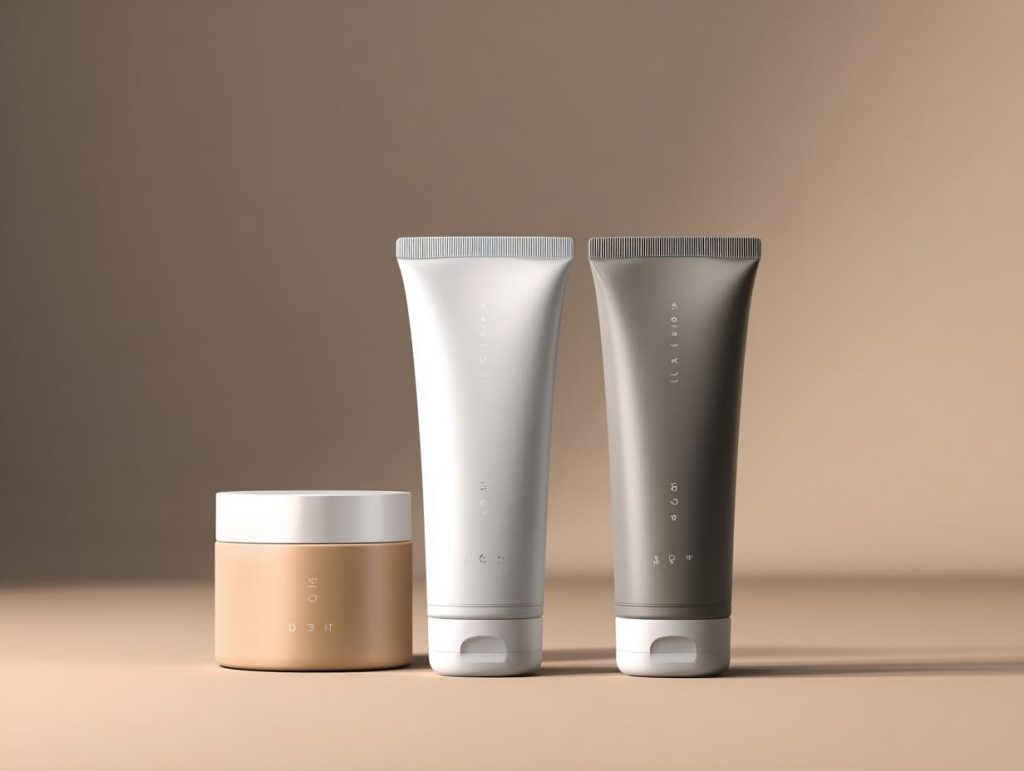
Good aftercare products are simple, gentle, and designed for sensitive skin. The focus is protection, not active treatment.
Look for formulas that are fragrance-free, non-comedogenic, and suitable for post-procedure skin. Short ingredient lists are often safer and more effective during recovery.
Different textures support different recovery needs. The key is matching the product to the skin’s condition after treatment.
Texture affects how the skin responds during recovery. Choosing the right one improves comfort and reduces irritation.
Creams offer richer protection for dry or sensitive skin. Gels feel light and cooling for irritated areas. Lotions provide balanced hydration for everyday maintenance.
Always patch-test new products before full use. This helps avoid reactions and ensures smooth healing during the recovery phase.
Mild reactions are normal after laser hair removal. Understanding what to expect helps you manage symptoms and support proper healing. Here are the most common side effects and how to handle them.
| Side Effect | What It Looks Like | How to Manage It | Duration |
|---|---|---|---|
| Redness, swelling, sensitivity | Skin feels warm, slightly swollen, or pink | Apply cool compresses, avoid heat, wear loose clothing | Few hours to 2–3 days |
| Itching and dryness | Tight, dry skin with mild itching | Use fragrance-free moisturizer and avoid scratching or new actives | 2–7 days |
| Temporary hair shedding | Hair appears to grow, then slowly falls out | Do not pull hairs; keep skin hydrated and let shedding happen naturally | 1–3 weeks |
Mild redness and swelling often appear at the treatment site and usually fade within a few hours to a few days. Applying cool compresses helps calm the skin, while loose clothing reduces friction and prevents further irritation.
As the skin recovers, dryness and mild itching may occur. Using a gentle, fragrance-free moisturizer helps soothe tightness and supports barrier repair. Persistent itching should prompt a pause on new skincare products and consultation with your clinic if needed.
Treated hairs often shed gradually over one to three weeks. This is a normal part of the hair removal process and indicates that the follicles are clearing damaged hair. It does not mean the treatment was ineffective.
Normal side effects include light redness, swelling, mild itching, and gradual hair shedding. Concerning signs include severe pain, blistering, spreading redness, pus, fever, or reactions that worsen after 48–72 hours. These require prompt clinical attention.
If symptoms are severe or unusual, contact your clinic immediately. Keeping a short log of symptoms and photos can help your clinician assess and advise on appropriate care. Proper aftercare combined with symptom validation protects comfort and supports the best long-term results.
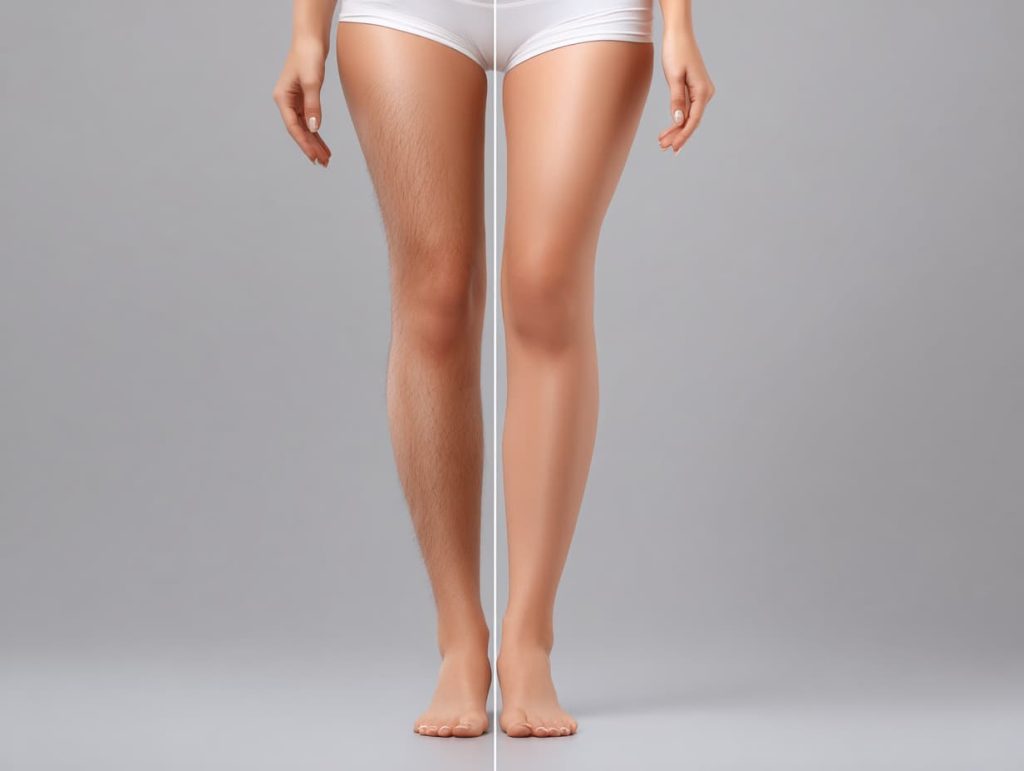
Smooth, lasting results depend on more than the treatment itself. Consistent sessions and proper laser hair removal aftercare work together to refine the outcome. When the skin is well maintained, each session becomes more effective.
With the right care and consistency, results become smoother and more refined. Over time, hair grows back finer, slower, and less visible.
The skin goes through a clear healing process after laser hair removal, and each stage needs specific care. This timeline helps you understand what to expect and how to support a smooth, calm recovery day by day.
| Timeframe | What to Expect | Aftercare Guidance |
|---|---|---|
| First 6 hours | Warmth, mild redness, and slight tenderness may appear. | Keep the area cool with a soft damp cloth. Avoid heat, tight clothing, and friction. |
| First 24 hours | Skin may stay sensitive with light swelling or redness. | Cleanse gently with lukewarm water, use a barrier cream, and avoid makeup or deodorant. |
| 48 hours | Most immediate reactions start to calm. | Continue gentle cleansing and moisturising. Avoid hot showers, exercise, and sun exposure. |
| Days 3–7 | Skin may feel dry or lightly itchy as it recovers. | Begin gentle exfoliation only when calm. Avoid strong skincare actives until fully settled. |
| Weeks 1–3 (shedding window) | Treated hairs shed gradually and may look like regrowth before falling out. | Do not pick or remove hairs. Keep skin hydrated and continue gentle care. |
Shaving is the only safe hair removal method after laser treatment. It should only be done once the skin is fully calm, with no redness, swelling, or sensitivity. For most people, this is usually within 24 to 72 hours, depending on how the skin reacts.
Use a clean, sharp razor to reduce friction and protect the skin barrier. Apply a gentle shaving gel or cream, then shave with light pressure in the direction of hair growth. After shaving, rinse gently and apply a fragrance-free moisturizer to keep the skin soft and calm.
Avoid waxing, tweezing, or using epilators between sessions, as they remove the hair from the root and reduce laser effectiveness.
If any irritation appears after shaving, stop and allow the skin to fully recover before the next shave. Consistent gentle care helps maintain smooth results and supports the treatment process.
Each area of the body responds differently to laser treatment. Targeted care helps reduce sensitivity and supports smooth, even healing.
Facial skin is delicate and more reactive after treatment. Avoid makeup for at least 24 hours or until the skin feels calm. Pause retinoids, strong vitamin C, and acids for about one week. Use a gentle mineral SPF daily and protect the face with hats when outdoors.
The underarm area is prone to irritation due to heat and movement. Avoid deodorant for 24–48 hours. Wear loose, breathable fabrics to reduce friction. If needed, rinse gently with lukewarm water and apply a soothing moisturizer.
This area requires extra care to avoid heat and friction. Skip tight underwear or swimwear for at least 48 hours. Delay any activity that causes friction until the skin is fully calm. Choose soft fabrics and use a light barrier cream to support comfort.
Sensitive or reactive skin needs a more careful approach after laser treatment. The goal is to protect the skin barrier, reduce irritation, and support even healing with calm, consistent care.
| Skin Type / Condition | Key Risk | Aftercare Focus | Guidance |
|---|---|---|---|
| Darker skin tones / hyperpigmentation risk | Uneven tone or pigmentation marks | Strict sun protection and gentle routine | Use SPF daily, avoid actives until fully calm, follow clinician protocol |
| Prone to cold sores (upper lip area) | Cold sore flare-ups after treatment | Prevent irritation and support early care | Consider antiviral prevention if advised, avoid touching area, start soothing care early |
| Eczema, rosacea, very sensitive skin | Flare-ups and barrier disruption | Minimal, calming skincare routine | Use fragrance-free products, avoid over-cleansing, keep routine simple |
| Prescription skincare users | Increased sensitivity and irritation | Temporary pause of active ingredients | Stop retinoids and strong actives before/after treatment, reintroduce only when fully healed |
Darker skin tones are more prone to pigmentation changes after laser treatment. Strong sun protection is essential to maintain an even skin tone during recovery. Avoid active skincare until the skin is fully calm, and follow a tailored plan from your clinician to reduce any risk of marks or uneven tone.
Laser treatment around the mouth can sometimes trigger cold sores in people with a history. Preventive antiviral care may be recommended by your clinician before treatment. If sensitivity appears, start soothing care early and avoid touching the area to reduce irritation.
Skin conditions like eczema or rosacea require extra gentle care after laser treatment. Use fragrance-free, minimal formulas that support the skin barrier without causing stress. Keep cleansing short and avoid over-washing to prevent flare-ups and maintain comfort.
Prescription treatments such as retinoids or strong actives should be paused before and after laser sessions. These ingredients can increase sensitivity during the healing phase. Reintroduce them slowly only when the skin is fully calm, always following your clinician’s guidance.
Avoid direct sun exposure for at least 1–2 weeks after treatment to protect healing skin and prevent pigmentation changes. Wear SPF daily and cover treated areas whenever possible.
For the first 24–48 hours, avoid hot showers, saunas, and steam rooms. Use lukewarm water and gently pat dry to support proper laser aftercare.
Avoid heat, intense workouts (which cause sweating), sun exposure, harsh skincare products, wax/tweezing, and deodorant/makeup on treated zones during early healing.
Yes, shaving is safe once redness and sensitivity have calmed. Avoid waxing, tweezing, epilating, or using depilatory creams, as these remove follicles and interfere with laser results.
Apply a gentle, fragrance‑free laser aftercare cream or soothing moisturizer 2–3 times daily during the first week to support hydration and barrier repair. Focus on soothing ingredients like aloe vera or ceramides.
Hold off on retinoids, acids (AHA/BHA), exfoliants, vitamin C, and benzoyl peroxide for at least 7–10 days until the skin barrier is calm. These can irritate sensitive, freshly treated skin.
Treated hairs usually begin to shed in 5–14 days after laser hair removal. This is normal and shows the follicles are clearing damaged hair.
Daily broad‑spectrum SPF 30+ is essential. Reapply regularly when outdoors. Wear protective clothing and avoid tanning beds throughout the treatment course.
Mild redness, warmth, or slight itch is normal. Use gentle laser aftercare products and avoid scratching. If irritation worsens, contact your clinician for guidance.


Time for a Self Love Appointment!
Elevate Your Look with Our Luxurious Services