



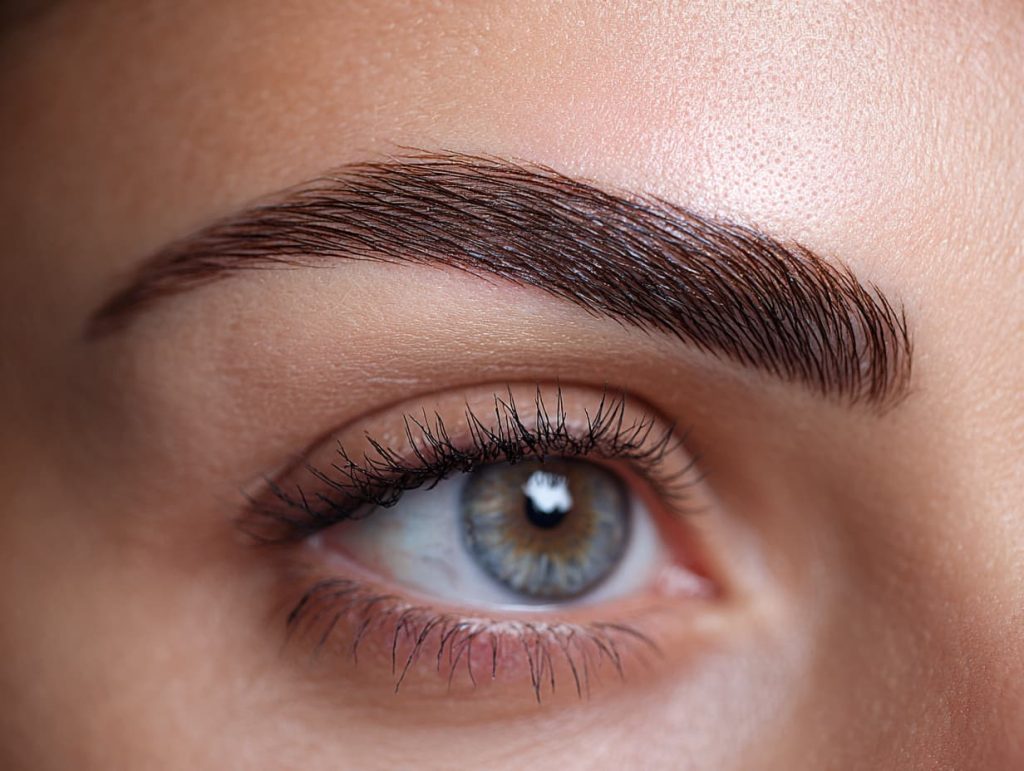
Microblading Aftercare: The Ultimate Guide to Healing and Long-Lasting Brows
Microblading gives you the brows you have been trying to perfect for years. True...
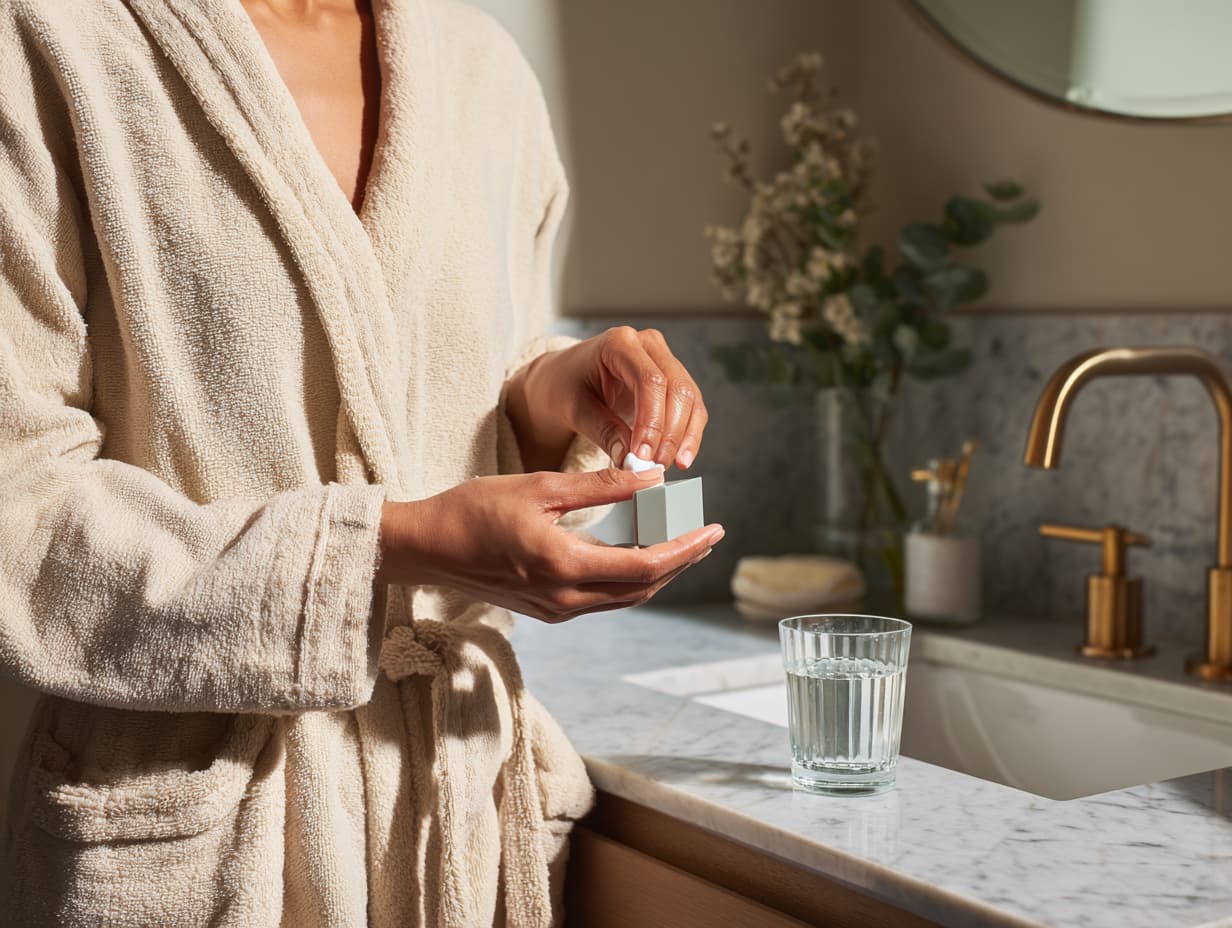
Your tanning bed session ends in minutes. The skin effects last longer. What you do afterward affects how comfortable your skin feels and how evenly your color fades over the next several days.
Knowing what to do after tanning bed slows fading and keeps the color looking smooth and radiant.
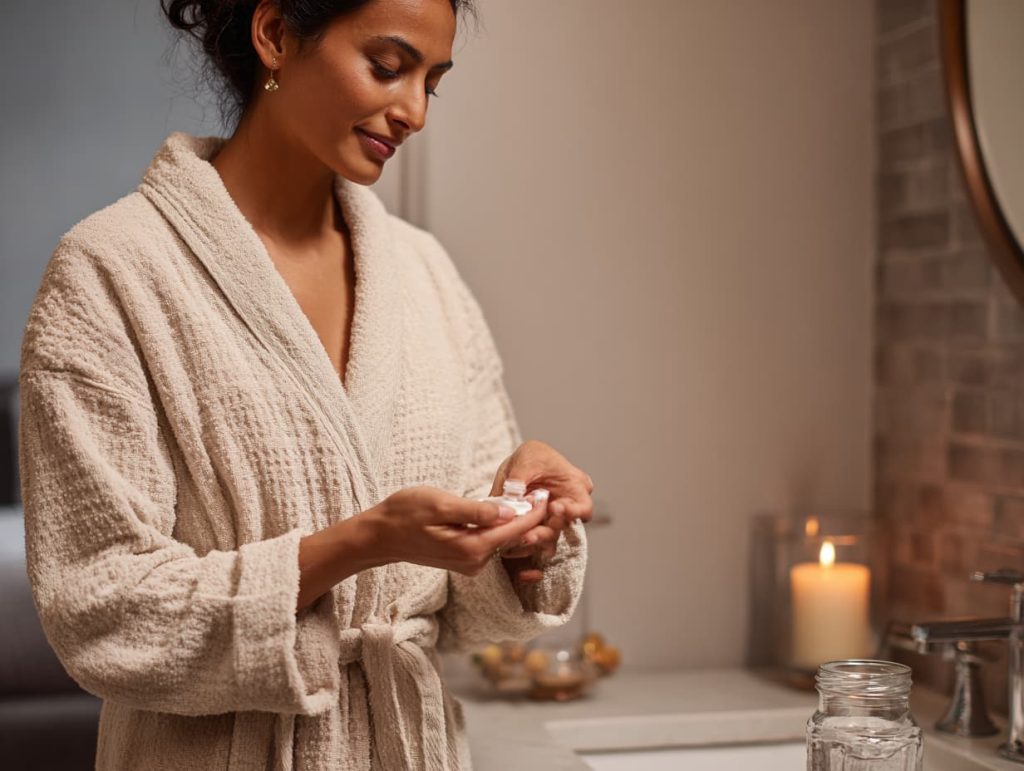
Post-Tanning Essentials:
Beyond extending your tan, these sunbed aftercare rules keep irritation down and help your color fade evenly instead of patchily. For a deeper dive into post-treatment skin care across beauty services, see our Ultimate Guide to Beauty Aftercare.
Safety note: Tanning beds use UV radiation, which increases skin cancer risk and speeds up skin aging. If you’re red or sore, avoid more UV and treat it like sunburn. If you’re on photosensitizing meds or prescription topicals, check the label or ask a clinician first.
The first 30 minutes after a tanning bed session are when your skin is still warm and more prone to dryness and irritation. The goal right now is comfort and barrier support, which also helps your tan fade more evenly over the next few days.
| Step | Action | Timing / Frequency | Tools / Products | Why It Matters | Tips & Notes |
|---|---|---|---|---|---|
| Cool down | Sit in a cool area, avoid heat, do not rub or scratch | 10–15 minutes immediately post-session | None needed; optional cooling fan or cool cloth | Reduces tightness, prevents irritation, supports even fading | Avoid hot showers, saunas, steam rooms. Let skin temperature normalize before any clothing friction or product application. |
| Change into loose clothing | Wear soft, breathable fabrics; avoid tight waistbands or seams | Immediately after cooling | Cotton or silk garments, loose robes | Minimizes friction, prevents discomfort, reduces patchy fading | Focus on high-contact areas: waist, thighs, underarms, bra line. Avoid synthetic fabrics that trap heat. |
| Hydrate internally | Drink water or electrolyte-rich fluids | 1–2 glasses immediately; continue throughout day | Filtered water, coconut water, or light electrolyte drink | Replenishes fluids lost via heat/UV; supports skin hydration | Hydration enhances barrier function and helps the tan fade smoothly. Avoid alcohol or caffeine immediately post-session, as they dehydrate. |
| Moisturize externally | Apply gentle, fragrance-free moisturizer with light strokes | Once skin is fully cool and dry; repeat as needed over 24 hours | Light lotions, barrier creams, aloe or panthenol-based moisturizers | Protects skin barrier, prevents dryness, promotes even fading | Focus on elbows, knees, ankles, shins, areas prone to dryness. Avoid heavy oils that may trap heat or clog pores. |
| Quick safety check | Inspect for redness, soreness, burning; treat as mild sunburn if present | Immediately after moisturizing; monitor over next 2–3 hours | Aloe gel, soothing barrier cream | Early detection prevents worsening irritation, blistering, or uneven fading | If redness persists or worsens, skip further UV exposure. Avoid exfoliation and strong actives until skin recovers. |
If you’re wondering what to do after tanning bed, start with cooling the skin, avoiding friction, and moisturizing once you’re fully dry. Give your skin time to return to a normal temperature. Staying overheated can increase tightness and irritation. Sit somewhere cool, avoid hot environments, and let your skin settle.
Warm, recently exposed skin can get irritated more easily from rubbing and pressure. Tight waistbands, rough seams, and clingy fabrics can cause friction in high-contact areas (waist, thighs, underarms, bra line). It can also lead to discomfort and uneven-looking fading later. Soft, loose clothing reduces that stress.
UV exposure and heat can leave you feeling drier. Drinking water supports overall hydration, which helps your skin stay comfortable and look smoother as your color develops and gradually fades.
After you’ve cooled down and your skin feels dry to the touch, apply a gentle moisturizer with minimal fragrance. Use light, smooth strokes, especially on areas that dry out faster (legs, elbows, ankles).
This is the simplest form of moisturizing after solarium, and it’s what helps your tan fade more evenly.
Allure notes sunburn is UV overexposure, so if you’re red, sore, or burning, treat it like a sunburn: stop UV, cool the skin, moisturize gently (aloe is fine), and avoid hot showers, exfoliation, and strong actives until it’s back to normal.
Heli Beauty makes post-UV care effortless and science-led. Our routines focus on hydration, gentle cleansing, and calming formulas, keeping your skin comfortable and your tan even.
With clear guidance, ingredient transparency, and safety tips, you’ll know when to pause actives and treat redness like a burn.
Experience this care alongside our premium solarium services in Vadistanbul for radiant, sun-kissed, and lasting results.
The first 48 hours after a tanning bed session are when the skin is most likely to feel dry or irritated. Your main job is to keep things cool, gentle, and low-friction. That helps your skin stay comfortable and makes fading look more even over time.
If you’re wondering what to do after tanning bed before your first shower, keep it lukewarm, short, and low-friction to avoid drying out your skin.
A shower won’t “erase” a UV tan, but hot water, long showers, and scrubbing can dry out skin fast, which makes fading look patchy. Focus on minimizing heat, time, and friction.
Moisturizing doesn’t make a tan “stronger,” but hydrated skin looks smoother and tends to fade more evenly. After UV exposure, skin can be more reactive, so simple and barrier-supporting beats “strong” skincare.
For the first 24–72 hours, avoid anything that stings, tingles, or aggressively resurfaces skin.
What to look for:
What to pause temporarily (24–72 hours, longer if you’re sensitive):
Moisturize in the morning, after any rinse/shower, and as needed on dry zones (shins, elbows, ankles).
To follow what to do after tanning bed correctly, focus on avoiding the three biggest fade triggers: heat, friction, and exfoliation. These cause dry skin and speed up uneven shedding, which can make color look blotchy instead of gradual.
Treat the next 1–2 days as “protection mode”:
If you can’t avoid swimming, rinse promptly, take a quick lukewarm shower, and moisturize. For workouts, keep activity light to minimize sweat and friction, then shower gently and moisturize.
If you’re searching for how to keep a tan longer, the best approach is steady moisturizing, gentle cleansing, and avoiding early exfoliation as your skin naturally sheds.
The goal is not to “treat” the tan. It’s to prevent dryness and friction, which can make fading look uneven.
Think of these as the basics for how to keep a tan longer without extra UV.
After UV exposure, skin can be more reactive, so products that are usually fine may feel irritating for a couple of days. Use this timeline to protect your barrier first, then ease back in without triggering dryness or patchy-looking fade.
If you want the look of deeper color without additional UV exposure, these are the simplest options:
Skin does not react to UV exposure in the same way for everyone. The Fitzpatrick skin type system is built on this difference, noting that lighter skin types burn more easily, while darker types tan with less burning, according to L’Oréal Paris. For this reason, choosing an aftercare routine that matches how your skin behaves matters a lot.
| Skin type | What to prioritize | What to choose | What to be careful with |
|---|---|---|---|
| Sensitive / rosacea-prone | Calm, minimal routine to reduce reactivity | Fragrance-free cleanser and fragrance-free moisturizer; soothing, barrier-support formulas | Heat, strong fragrance, “tingly” products, and frequent product switching |
| Acne-prone | Hydration without clogging pores | Non-comedogenic moisturizer; lightweight lotions over heavy creams if you break out easily | Heavy occlusives and rich oils if they trigger congestion; harsh cleansing that dries you out |
| Very dry / eczema-prone | Barrier repair and frequent moisturizing | Richer barrier creams; ceramide-focused moisturizers; reapply to dry zones more often | Long showers, hot water, and anything that stings or strips (even if it’s “for glow”) |
If you use prescription topicals (especially retinoids or acne treatments), be extra cautious after UV exposure. Keep things gentle, and follow the active timeline in the 7-day plan so you don’t accidentally trigger irritation or peeling.
Some warmth or tightness can happen after a tanning bed session, but symptoms should trend better over the next several hours, not worse. Use how your skin feels and looks to decide whether basic soothing care is enough or whether you should treat it like a burn and take a longer recovery break.
Skin feels warm, tight, or a little itchy with no obvious redness, swelling, or blistering. This usually points to dryness and a stressed barrier.
Skin looks noticeably red, feels sore, or is sensitive to touch. Treat this like a mild sunburn.
If you notice intense pain, large blisters, strong swelling, fever, chills, dizziness, nausea, or signs of infection, this is not normal irritation. According to Byrdie’s expert sunburn guidance, these symptoms mean you should contact a medical professional.
When in doubt, prioritize recovery. Letting skin heal fully before any future UV exposure helps reduce complications and peeling-related patchiness.
Most UV tans fade in about 5–10 days, depending on your skin type, how often you shower, and how quickly your skin naturally sheds. Frequent hot showers, dry skin, and exfoliation speed up visible fading. Consistent moisturizing and gentle cleansing help it look more even while it fades.
Yes, but wait until your skin has cooled and choose fragrance-free if you’re prone to itching or redness.
Fragrance and alcohol can sting on warm, UV-exposed skin and may trigger irritation in the underarms, chest, and neck. If you react easily, apply deodorant only and skip perfume for the rest of the day.
You can, but treat your face like it’s mildly sensitized for the day. Use a gentle, non-irritating moisturizer first, then apply makeup with light pressure (no aggressive blending or scrubbing). If your skin feels warm or tight, avoid exfoliating primers, acids, or “tingly” products and stick to basic, non-fragranced formulas.
Mild itching can happen from dryness or heat, but it should improve within hours, not intensify. A lukewarm rinse, a gentle moisturizer, and a cool compress usually help.
If itching is intense, comes with hives, swelling, wheezing, or keeps worsening, stop UV exposure and get medical advice, since that can signal a stronger reaction.
Shaving immediately after a tanning bed can irritate warm skin and cause dryness or uneven fading. Wait 12–24 hours, use a fresh razor with gentle shave gel, then moisturize. Avoid waxing for 24–48 hours, or longer if skin is red or sensitive, as UV-exposed skin is more reactive.
If you have a laser booked, avoid tanning around appointments and follow laser hair removal aftercare to reduce irritation risk.
Stop using that product immediately and switch to a simple routine: cool down, lukewarm showers, fragrance-free moisturizer, and no actives (acids/retinoids) until your skin feels normal.
If you notice persistent redness, burning, rash, or swelling, avoid more UV and seek medical advice. For future sessions, patch-test new lotions and avoid “tingle” formulas if you’re sensitive.


Time for a Self Love Appointment!
Elevate Your Look with Our Luxurious Services