




Lash Lift Aftercare: Keep Your Lift Perfect (Day-by-Day Guide)
Ever wake up after a lash lift and think, “If I blink wrong, will I ruin this?” Your...
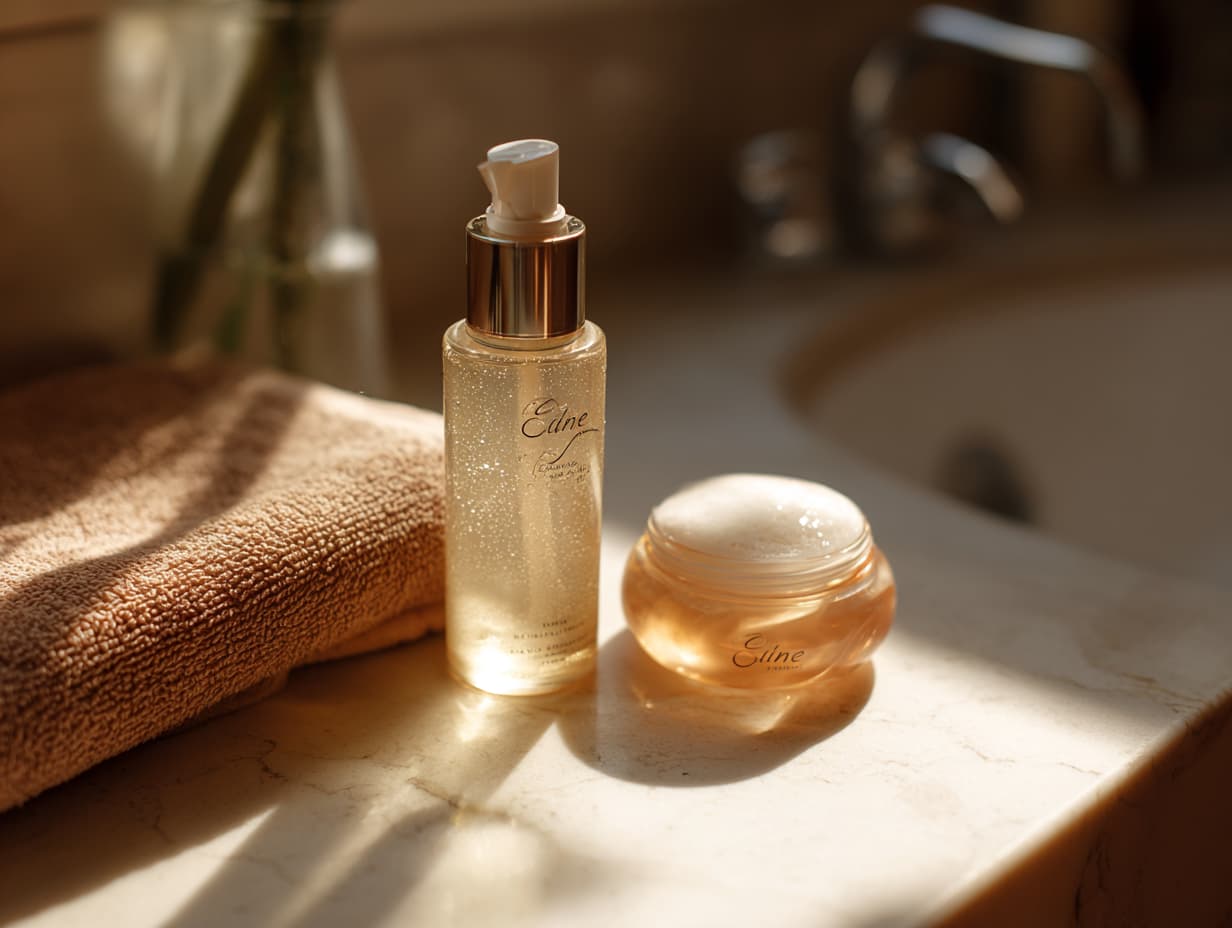
Your makeup did its job all day. Now it’s your skin’s turn to recover. Makeup looks best on calm, balanced skin, but long-wear products don’t come off on their own. They mix with oil, sweat, sunscreen, and pollution.
Essential makeup aftercare steps:
Think of aftercare as part of your beauty routine, not an optional extra. Your skin will stay clearer, smoother, and ready for flawless makeup next time. For more guidance, see our Ultimate Guide to Beauty Aftercare.
Post-makeup skincare is the routine you follow after wearing makeup. Throughout the day, makeup blends with oil, sweat, and environmental pollutants. These residues can clog pores, dull the complexion, and prevent the skin from breathing. If not removed properly, skin may feel irritated and look tired.
Benefits of proper makeup aftercare include:
Makeup aftercare is not optional. It is a vital ritual. Healthy, well-cared-for skin is the foundation of every flawless look and the key to sustaining beauty over time.
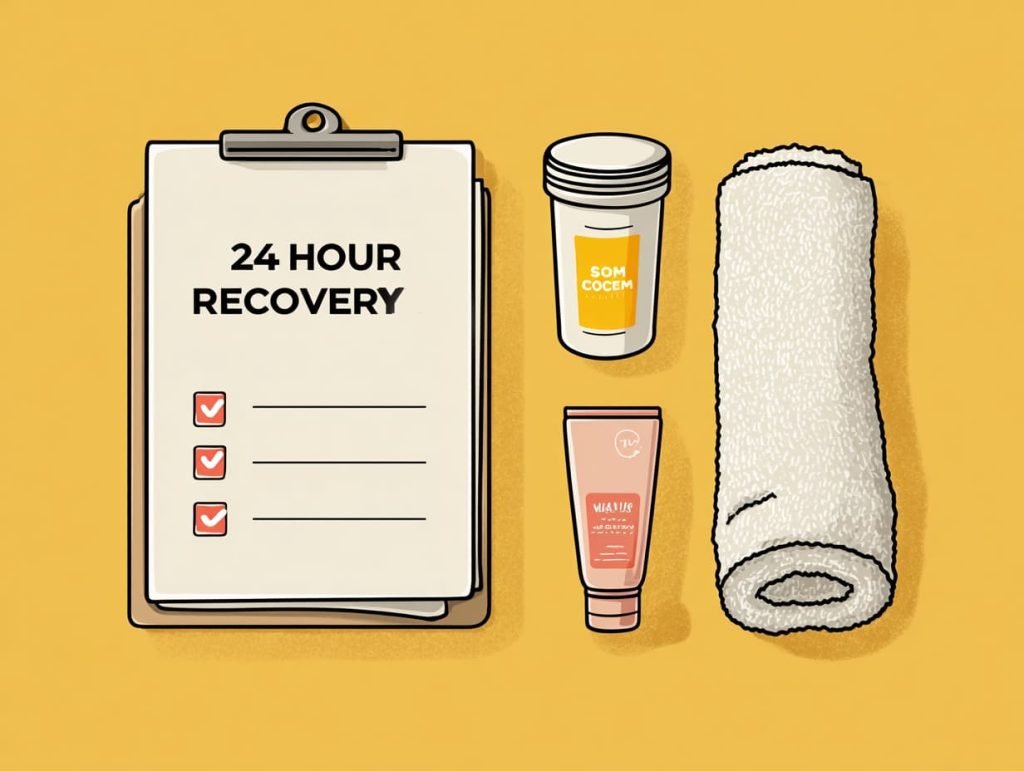
The first 24 to 48 hours after wearing heavy makeup are crucial for your skin. During this time, the skin may feel sensitive, tight, or dull. Makeup artist from Makeovers by Sugandha advises treating this period with extra care to allow the skin to recover fully.
| Makeup Aftercare | What to do | Why it helps |
|---|---|---|
| Avoid heat and sweat | Skip saunas, steam rooms, hot showers, and intense workouts for the first 24–48 hours | Heat + sweating can leave skin feeling drier and more reactive after a long wear day |
| Gentle cleansing | Remove makeup with soft, circular motions. No rubbing or scrubbing, especially around eyes and lips | Friction can irritate skin and make it feel tighter, especially after heavy makeup removal |
| Minimal skincare | Keep routines simple and soothing. Avoid strong actives like exfoliating acids and retinoids for 24–48 hours | “Less is more” reduces the chance of irritation when skin is stressed; mixing strong actives can worsen sensitivity |
| Hydrate and soothe | Apply a gentle moisturizer; optionally add a calming serum (hydrators, barrier-support ingredients) | Moisturizing supports comfort and barrier recovery after cleansing and long-wear product buildup |
| Blot or cool compress if needed | If oily or irritated, blot gently with a soft tissue; use a cool compress briefly | Blotting reduces surface oil without scrubbing; cool compress can calm the look and feel of irritation |
Following this guidance helps your skin regain clarity, balance, and a healthy glow, creating the perfect canvas for the next day’s makeup.
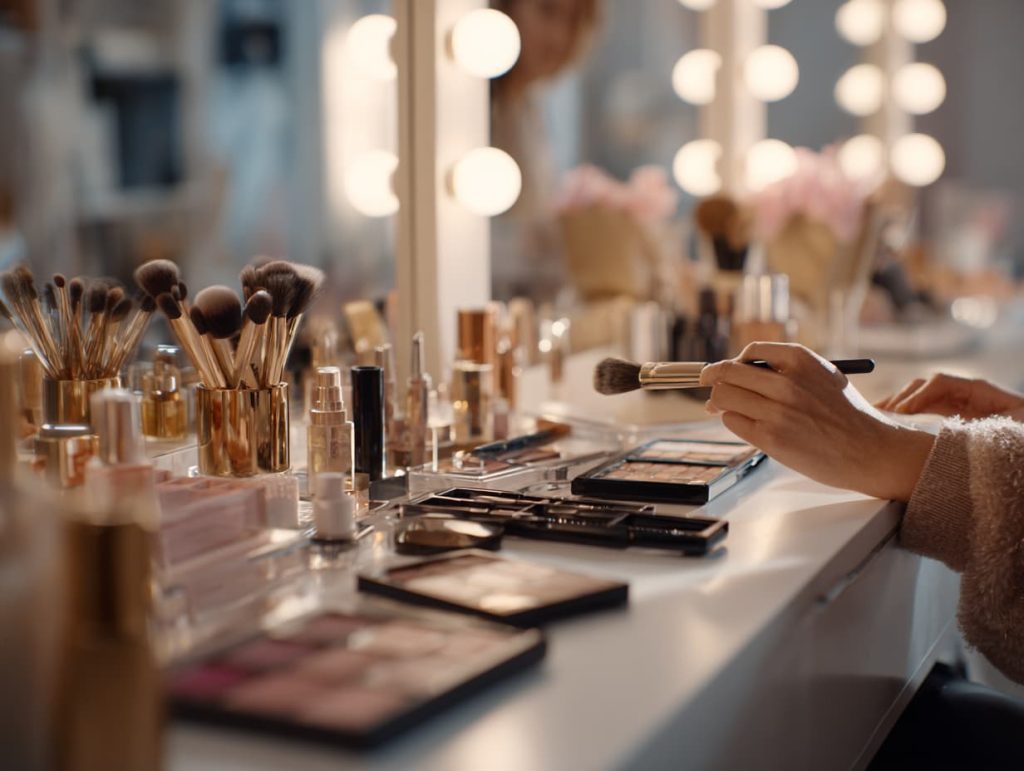
At Heli Beauty, our Makeup services in Istanbul don’t end when your appointment does. The finish matters, but so does what happens after, because proper makeup aftercare helps keep skin calm, comfortable, and ready for your next look.
We’ll share simple, skin-friendly steps to remove makeup gently, support the skin barrier, and avoid the most common post-makeup issues like dryness, tightness, or breakouts, so your glow lasts beyond the chair.
Cleaning your face after makeup is essential. It removes oil, sweat, and pollution. A correct routine helps skin breathe and stay calm. A two-step cleanse is widely recommended by skincare professionals:
Use an oil-based remover for waterproof or long-wear makeup. Use micellar water for light makeup. Apply gently on dry skin to dissolve foundation and mascara. Do not rub or pull the skin.
Follow with a mild facial cleanser and lukewarm water. Use soft, circular motions. Rinse thoroughly to remove residue. Avoid scrubbing; this protects the skin barrier.
Extra luxury tips that help makeup last longer the next day
Based on Byrdie, dermatologists Dr. Dendy Engelman and Dr. Arnaud Lambert recommend double cleansing at night after wearing makeup to remove lingering product, sunscreen, oil, and pollutants. So skin becomes clean and ready for serums and moisturizers.
Consider that poor cleansing can weaken results. Gentle makeup removal supports treatments like lash lift aftercare, eyelash extension aftercare
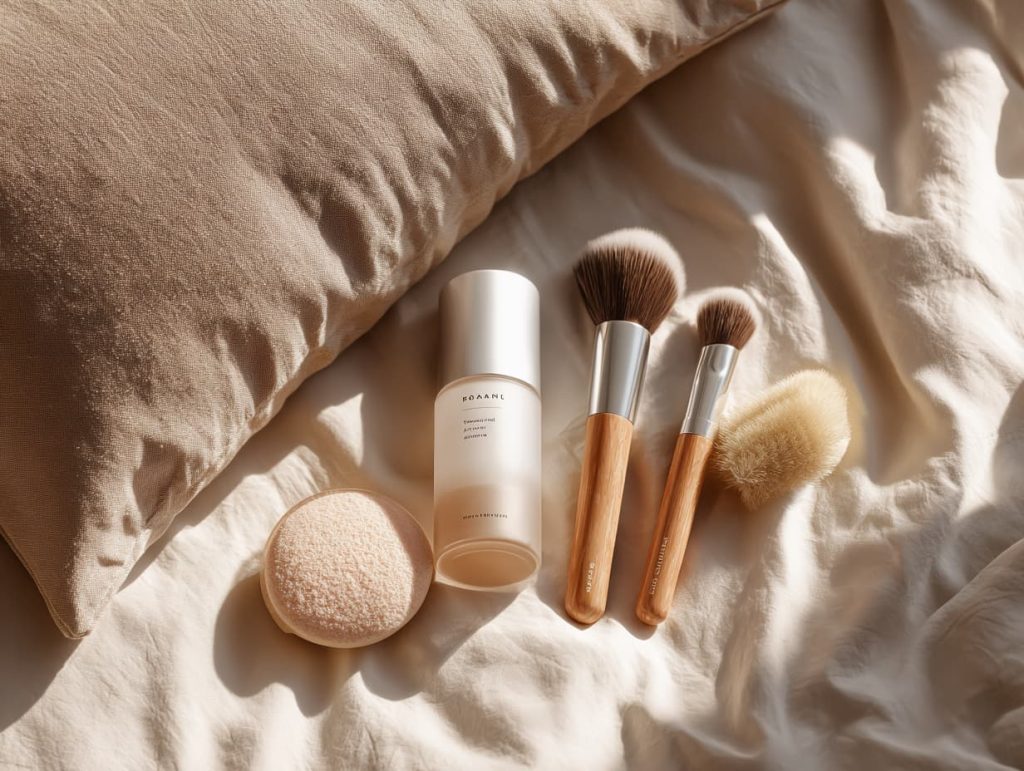
After cleansing, the skin enters a quiet recovery phase. Balance, hygiene, and daily habits work together to restore comfort and strength. This stage helps the skin recover faster and maintain long-term quality.
| Recovery Essential | What to do | Timing / Frequency | Best for | Avoid / Notes |
|---|---|---|---|---|
| Gentle toner (optional) | Use an alcohol-free, soothing toner to calm skin and prep for treatments | After cleansing; daily if tolerated | Sensitive, reactive, post-heavy makeup skin | Skip if toner stings or feels drying |
| Antioxidant serums | Apply vitamin C and/or vitamin E to reduce oxidative stress and support skin resilience | After toner; daily or every other day | Dullness, environmental stress, uneven tone | Start slowly if skin is sensitive |
| Hydrating serums | Use hyaluronic acid (or similar hydrators) to restore moisture and softness | After antioxidants or instead of them; daily | Dryness, tightness, dehydration lines | Apply on slightly damp skin for better hydration feel |
| Exfoliation reset | Pause exfoliation after heavy makeup; resume with mild AHA/BHA in low frequency | Avoid for 24–48 hours; then ~1×/week depending on sensitivity | Texture, clogged pores (when skin has calmed) | Avoid harsh scrubs or frequent acids right after heavy makeup |
| Moisturizer by skin type | Choose gel moisturizers for oily skin; richer creams for dry skin | Daily, AM/PM | Everyone, especially post-cleansing recovery | Don’t use overly fragranced formulas if irritated |
| Night repair boost | Use nourishing night cream or gentle overnight mask to support recovery | Nighttime; after heavy makeup days | Dry, stressed, tight skin | Avoid strong actives in overnight products during recovery window |
| Brush hygiene | Wash makeup brushes thoroughly | Weekly | Acne-prone, sensitive skin, frequent makeup wearers | Dirty brushes can worsen irritation and breakouts |
| Sponge hygiene | Wash or deep-clean sponges | After each use | Everyone, especially acne-prone skin | Sponges hold bacteria fast if left damp |
| No sharing tools | Keep brushes/applicators personal | Always | Everyone | Sharing increases irritation/infection risk |
| Pillowcase hygiene | Wash pillowcases regularly; change more often if acne-prone/sensitive | Every few days (sensitive/acne); weekly otherwise | Acne-prone, sensitive skin | Silk can reduce friction but skin results vary |
| Hydration + sleep | Drink water and prioritize quality sleep to support repair | Daily | Everyone | Recovery is slower when sleep is poor |
| Pause strong actives | Avoid harsh retinoids/strong acids while skin resets | 24–48 hours after heavy makeup | Sensitive, irritated, barrier-stressed skin | Reintroduce gradually once calm |
| Makeup-free rest days | Take occasional no-makeup days to maintain balance and glow | As often as practical | Everyone | Helps reduce buildup and stress on the skin barrier |
You may also want to read about manicure aftercare, pedicure aftercare, and how to maintain colored hair.
Yes. Remove makeup and cleanse so it doesn’t clog pores or irritate your skin. Don’t sleep in it.
For light makeup, sometimes. For SPF, long-wear, or waterproof makeup, it’s usually not enough. If you use micellar water, follow with a gentle rinse-off cleanser.
Oil/balm cleanser first (dissolves makeup/SPF), then a water-based cleanser (cleans residue). It’s most useful on heavy makeup or sunscreen days.
Use an oil-based remover, press on lashes 10–20 seconds, then wipe downward gently. No rubbing side-to-side.
Usually incomplete removal, dirty tools, heavy products, or irritation from scrubbing/strong actives. You can fix it by double cleansing, cleaning brushes/sponges, and keeping aftercare gentle for 24–48 hours.



Time for a Self Love Appointment!
Elevate Your Look with Our Luxurious Services