



Lash Lift Aftercare: Keep Your Lift Perfect (Day-by-Day Guide)
Ever wake up after a lash lift and think, “If I blink wrong, will I ruin this?” Your...

Color-treated hair has a higher risk of breakage and moisture loss because chemical dyes weaken the protein structure and disrupt the hair’s natural lipid layer. Without proper care, color can fade quickly, become dull, or develop brassiness.
Essential Aftercare Tips:
Follow these steps to maintain salon-quality results at home. If you’ve just colored your hair or want to keep it vibrant, Heli Beauty has you covered throughout the entire process.
Color-treated hair is different from untreated hair because dyeing raises the cuticle, making strands more porous and fragile. This structural change leaves hair more vulnerable to damage and moisture loss.
Common challenges for color-treated hair include fading, brassiness, and dryness. These issues result from the altered hair structure and exposure to heat, sun, and harsh products.
The goal of proper aftercare is to keep your color vibrant while maintaining hair health. Following a thoughtful routine helps preserve shine, softness, and strength.
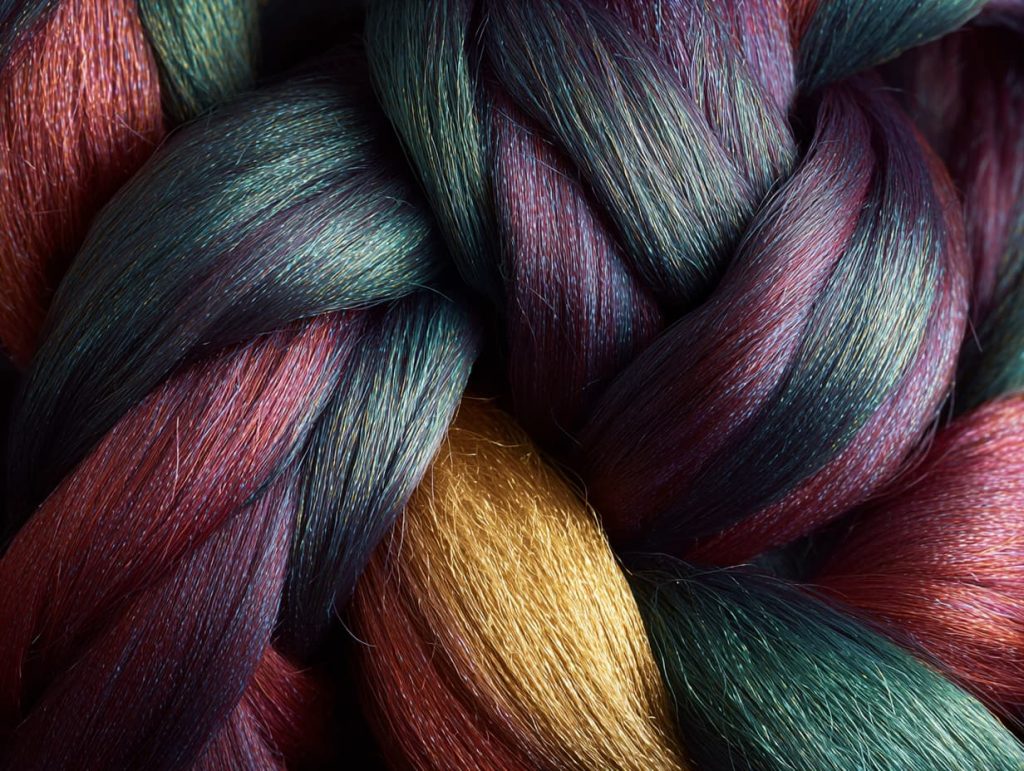
The first one to two weeks after coloring are crucial for locking in your new shade. Proper care during this period helps your hair stay vibrant, healthy, and shiny.
| Step | Guidance | Frequency | Recommended Products | Key Benefits | Extra Tips |
|---|---|---|---|---|---|
| Immediate Wait | Avoid washing hair after coloring. | 48–72 hours post-coloring | None | Allows cuticle to seal pigment, locks in color | Avoid tying hair tightly; sleep on a silk pillowcase to reduce friction |
| First Wash | Use ultra-gentle, sulfate-free shampoo with lukewarm water. Avoid harsh or clarifying shampoos. | First wash after 48–72 hours | Sulfate-free shampoo, color-safe conditioner | Prevents color stripping, maintains softness & shine | Apply conditioner from mid-lengths to ends; rinse gently |
| Refresh Color | Use gloss treatments, color-depositing masks, or toners. Purple shampoo for blondes; red/copper toners for warm shades. | As needed, usually once a week or per fading | Color-depositing masks, gloss treatments, toners, purple shampoo | Restores vibrancy, reduces brassiness, enhances tone | Avoid daily use of color-depositing products to prevent buildup |
| Root Touch-Ups | Schedule salon visits; use tinted conditioners or root cover sprays between appointments. | Every 6–8 weeks for salon visits; touch-ups as needed | Root cover sprays, tinted conditioners | Keeps hair color uniform, minimizes over-processing | Blend new growth with gentle massaging; avoid overlapping on previously colored hair |
| Trim Ends | Light trims every 6–8 weeks. | Every 6–8 weeks | None required | Removes split ends, prevents dullness, enhances overall appearance | Regular trims improve hair texture and make color look fresh longer |
After coloring, avoid washing your hair for 48–72 hours. This pause allows the cuticle to fully seal in the pigment, ensuring longer-lasting color and preventing premature fading.
When it’s time to wash, use an ultra-gentle, sulfate-free shampoo for dyed hair. Lukewarm water is best; hot water can lift the cuticle and wash out pigment. Avoid clarifying or harsh shampoos, as they strip color and dry out your hair.
If your color begins to fade or lose intensity, use gloss treatments or color-depositing masks. Purple shampoos help blondes prevent brassiness, while red or copper toners refresh warm tones. These products keep your shade looking salon-fresh between visits.
Plan your next salon visit about 6–8 weeks after coloring to match new growth. Between appointments, tinted conditioners or root cover sprays can help maintain a uniform look without over-processing your hair.
A light trim every 6–8 weeks removes split ends and prevents dullness. Healthy ends reflect color better and make your hair look fuller and more vibrant.
Following these steps ensures that your new color settles beautifully and lasts longer, giving you hair that looks and feels salon-perfect.
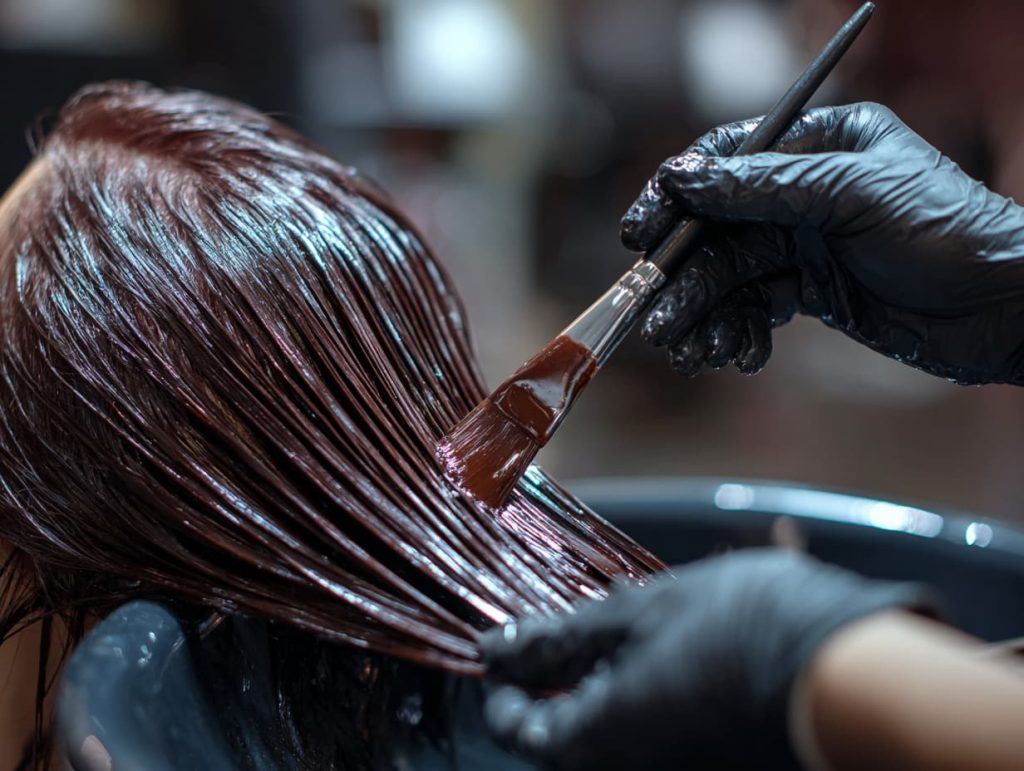
At Heli Beauty, keeping your color-treated hair vibrant is effortless with the right care. Our Hair Color Services Istanbul delivers stunning shades and expert guidance on aftercare, heat protection, and UV shielding.
Enjoy nourishing treatments and deep-conditioning rituals to maintain softness, shine, and hair health. Refresh your color or protect your strands from sun and swimming with Heli Beauty for salon-quality results that last.
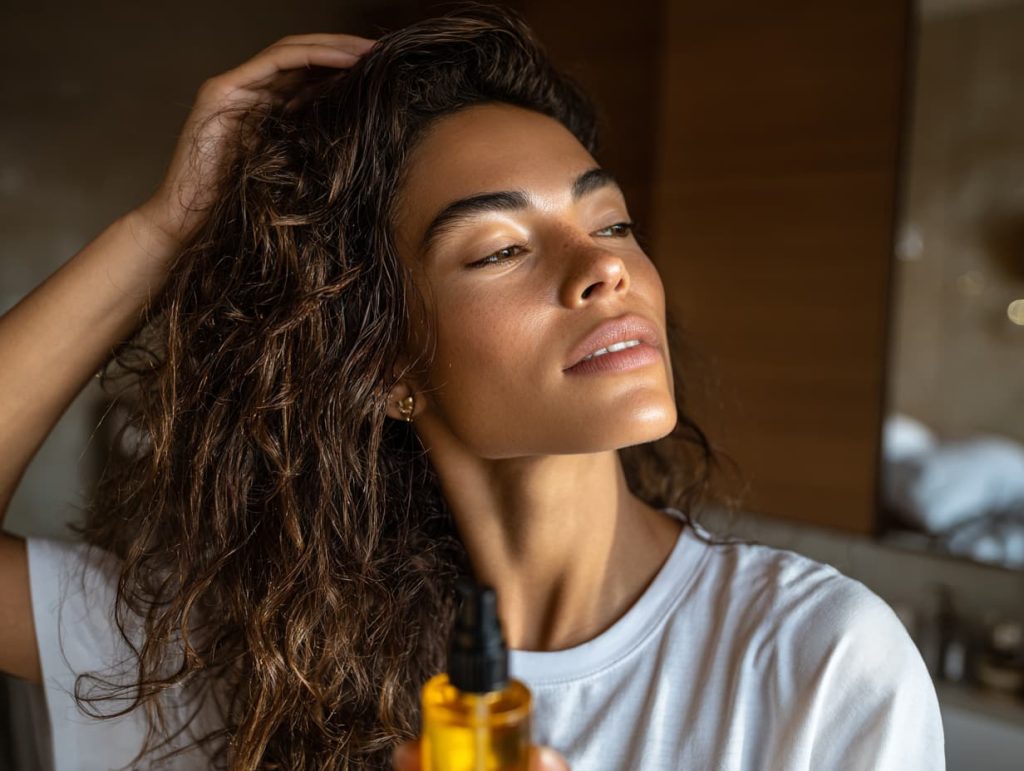
Maintaining the brilliance of dyed hair requires the right products, careful routines, and protective habits. Learn simple, expert-approved ways to keep your dyed hair vibrant for weeks. Below is a comprehensive guide:

Maintaining colored hair goes beyond products and styling. It starts with a healthy lifestyle, gentle daily habits, and care suited to your hair’s treatments and environment.
| Habit Category | Guidance | Frequency | Recommended Products | Key Benefits | Extra Tips |
|---|---|---|---|---|---|
| Nutrition & Oils | Eat foods rich in vitamins A, C, E, biotin, and protein; stay hydrated. Apply natural oils (coconut, argan, jojoba) to hair ends. | Daily | Coconut oil, argan oil, jojoba oil, balanced diet | Strengthens hair, nourishes from within, adds shine | Massage oils gently into ends; avoid scalp buildup |
| Sleep & Gentle Handling | Dry hair before bed; use silk/satin pillowcases; loose scrunchies; avoid tight hairstyles; brush/towel-dry gently. | Daily | Silk/satin pillowcases, soft hair ties | Reduces breakage, preserves color, maintains smoothness | Finger-detangle before brushing; avoid rough towel rubbing |
| Aftercare for Treated Hair | Use gentle, sulfate-free products; apply protective oils; follow treatment-specific routines for extensions, keratin, protein, or hair botox. | Daily / As needed | Sulfate-free shampoo & conditioner, treatment-specific oils | Maintains both hair color and treatment results | Avoid overlapping chemical treatments; protect hair during heat styling |
| Climate & Environmental Protection | Shield hair from sun, heat, and hard water. Wear hats or use UV-protective products; use water filters or chelating shampoos if needed. | Daily / Outdoor exposure | UV-protection sprays, chelating shampoo | Prevents fading, maintains vibrancy, protects cuticle | Reapply UV protection when outdoors for long periods |
| Scalp Care | Perform gentle scalp massages; occasional mild exfoliation. | 1–2 times per week | Scalp serums, gentle exfoliating scrubs | Stimulates circulation, supports hair growth, nourishes roots | Avoid harsh scrubbing; focus on relaxing massage motions |
A balanced diet supports strong, vibrant hair. Include foods rich in vitamins A, C, E, biotin, and protein to nourish strands from within.
Staying hydrated also helps maintain hair moisture. Natural oils like coconut, argan, or jojoba can be applied to hair ends to protect color. They also smooth the cuticle and add shine.
Dry your hair before bed to prevent breakage. Use silk or satin pillowcases and loose scrunchies to reduce friction. Avoid tight hairstyles that pull on strands and handle your hair gently when brushing or towel-drying. These small habits help preserve both hair health and color vibrancy.
If your hair has extensions, keratin, protein, or Botox treatments, the same daily care routines apply. Use gentle, sulfate-free products and protective oils to maintain both your color and treatment results. For detailed guidance, see our after protein, keratin treatment aftercare, and after protein hair treatment pages.
Sun exposure, heat, and hard water can accelerate fading, especially in bright, sunny climates like Turkey. Wear hats or use hair products with UV filters outdoors. Consider water filters or chelating shampoos if your water is hard. These simple precautions help your hair color stay vibrant longer.
A healthy scalp supports strong hair growth. Gentle scalp massages or occasional mild exfoliation can stimulate circulation and keep hair nourished. Focus primarily on hair maintenance, but don’t neglect the scalp entirely.
For a full care routine, see our Ultimate Guide to Beauty Aftercare. Explore specialized tips on the hair extension aftercare page to protect your hair. You can also visit the hair botox aftercare page to support both your color and overall hair health.
Daily washing is not recommended. Over-washing can strip color and natural oils. Use dry shampoo between washes to keep hair fresh without fading your dye.
Salon touch-ups every 6–8 weeks help maintain a uniform shade. In between, color-depositing conditioners or gloss treatments can refresh vibrancy at home.
Clarifying shampoos remove buildup but can strip pigment. Use them sparingly and choose formulas labeled safe for color-treated hair.
Lightweight oils like argan, coconut, and jojoba nourish hair ends and add natural shine. They also form a protective barrier against UV rays and heat damage without affecting color.
Yes. Minerals in hard water can dull and fade color. Using chelating shampoos or installing a water filter can help preserve vibrancy.
Chlorine and saltwater can strip pigment. Wet hair with fresh water, apply a leave-in conditioner or oil, and wear a waterproof swim cap for protection.
Vitamins like A, C, E, biotin, and protein support hair strength and shine. Combined with proper hydration, they help maintain long-lasting color.
Sun exposure accelerates fading. Use hair products with UV filters, wear hats, and avoid prolonged sun exposure to maintain color intensity.
Yes, if you always use a heat protectant spray or cream and keep temperatures moderate. Avoid frequent high-heat styling for best color retention.
Gentle, sulfate-free products and protective oils work for both extensions and treated hair. Regular care ensures your color stays vibrant and your treatments last longer.


Time for a Self Love Appointment!
Elevate Your Look with Our Luxurious Services