

Hair Botox Aftercare: How to Keep Your Hair Smooth, Healthy, and Radiant
Transforming your hair with hair botox is a luxurious experience, but the real secret to...
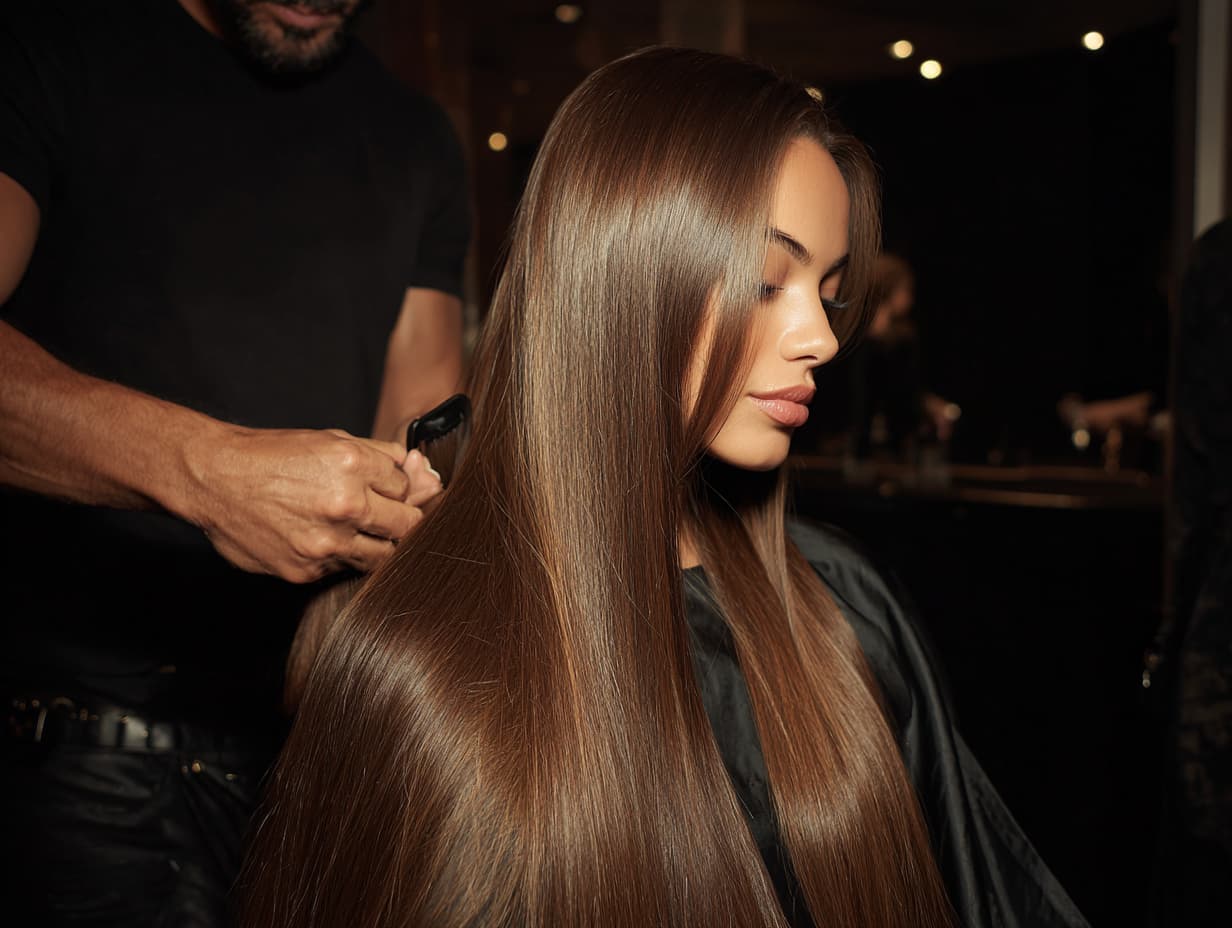
Your hair extensions can transform your look, but even the most luxurious strands need expert care to stay flawless. Proper brushing and gentle detangling prevent matting and reduce stress on bonds, while regular hydration and conditioning maintain softness and elasticity.
Some of the essential Hair Extension Aftercare include:
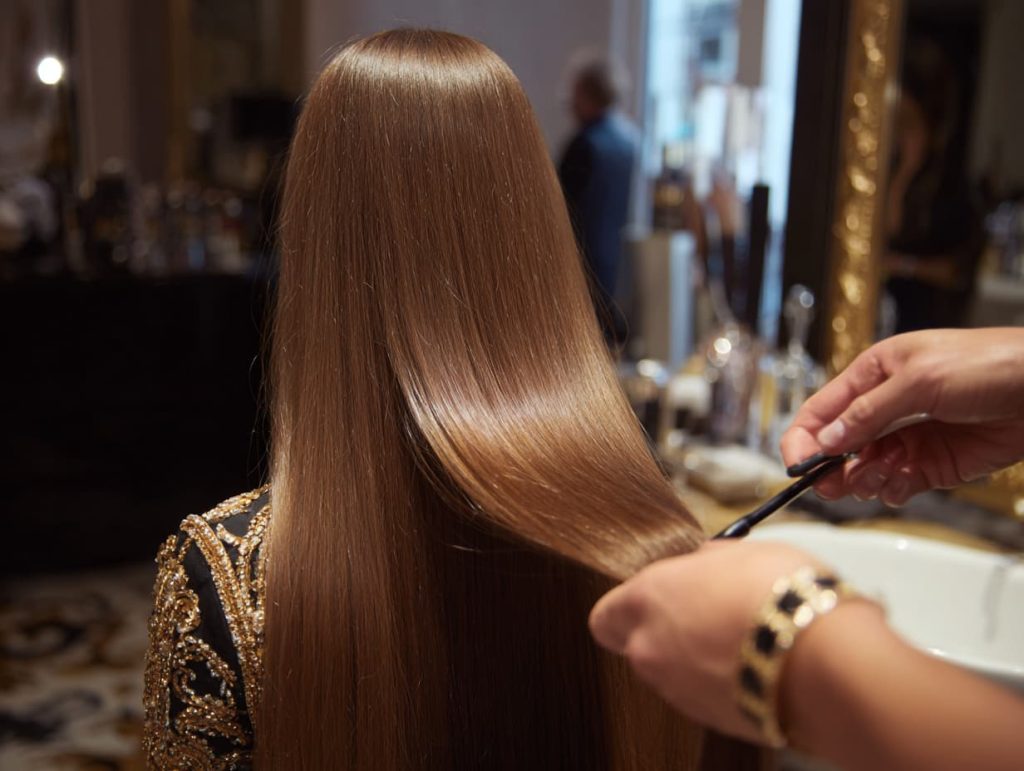
Following these simple steps keeps your extensions soft, shiny, and long-lasting. With consistent care, your luxurious strands will remain healthy and manageable. Protect your investment and enjoy effortless, polished styles every day.
Learn more in our Ultimate Guide to Beauty Aftercare for expert aftercare recommendations.
Hair extensions are a luxurious way to enhance your look, but proper care is essential. Without it, extensions can tangle, frizz, or lose their shine.
Proper hair extension aftercare:
By following simple routines and using the right products, you can keep your hair extensions healthy, soft, and luxurious every day.
Care makes the difference between a short-lived look and lasting luxury. In this section, Heli Beauty gives clear, practical steps to keep extensions smooth, strong, and salon-fresh. Follow these tips as part of your hair-extension-aftercare routine.
| Care Step | Benefit | Tips | Frequency | Special Notes |
|---|---|---|---|---|
| Washing | Preserves salon finish; protects bonds | Wait 48–72 hours after installation; use lukewarm water and sulfate-free shampoo on scalp/roots only; condition mid-lengths to ends; rinse thoroughly; blot with microfiber towel | 2–3 times/week for bonded/weft extensions; less for clip-ins | Avoid rough handling; keep conditioner away from bonds |
| Brushing | Prevents tangles, mats, and breakage | Use soft-bristle, loop, or extension brush; start from ends, hold bond/weft while brushing below; avoid metal combs near bonds; wide-tooth comb near roots | Morning, evening, after styling | Gentle technique prevents stress on bonds |
| Sleeping | Reduces friction, tangles, matting | Braid loosely or low ponytail; use silk/satin pillowcase or bonnet; ensure hair fully dry | Every night | Loose sleep braids help long/layered extensions |
| Dyeing / Coloring | Maintains color and hair structure | Color natural hair before installation; avoid at-home dyeing of installed extensions; consult stylist for post-installation coloring | As needed | Many extensions don’t take bleach well; professional guidance recommended |
| Styling & Heat | Protects hair from dryness and damage | Apply heat protectant; keep tools below 180 °C (lower for fine/damaged hair); maintain 2–3 cm distance from bonds; finish with cool shot; limit daily heat styling | Every styling session | Use heatless styles when possible |
| Swimming | Prevents dryness and bond damage from chlorine/saltwater | Wet and detangle hair first; braid/tie up; apply light leave-in/barrier product; wear swim cap; rinse immediately after; deep-condition after exposure | Every swim | Helps protect bonds and hair ends |
Gentle washing preserves the salon finish and protects bonds. Avoid rough handling and pay attention to water temperature and products. Wait 48–72 hours after installation before the first wash. Use lukewarm water and a sulfate-free shampoo, applying it only to the scalp and roots.
Condition mid-lengths to ends, keeping conditioner away from bonds. Rinse thoroughly and blot with a microfiber towel. Most bonded or weft extensions can be washed 2–3 times per week; clip-ins need less frequent washing.
Regular, careful brushing prevents tangles and matting. Use a soft-bristle, loop, or extension brush, starting from the ends and working up. Hold the bond or weft while brushing below it to avoid stress.
Brush once in the morning, once before bed, and after styling. Avoid metal combs near bonds and use a wide-tooth comb near roots.
Overnight care reduces friction, tangles, and matting. Braid hair loosely or tie in a low, loose ponytail. Sleep on a silk or satin pillowcase, or wear a silk bonnet. Ensure hair is fully dry before bed. Long or layered extensions benefit from a loose sleep braid to reduce friction.
Coloring affects both the look and structure of extensions. Extensions are often processed and can react differently to dye. For the best match, color natural hair before installation.
Avoid at-home dyeing of installed extensions. If coloring is necessary after installation, consult your stylist. For tips on protecting your look, check out our “how to maintain colored hair guide.” Many extensions do not take bleach well, so professional guidance is important.
Heat can dry and weaken hair, so protective styling is key. Always apply a heat protectant and keep tools below 180 °C, lower for fine or damaged hair. Avoid direct contact between tools and bonds, keeping a 2–3 cm distance.
Use low heat settings and finish with a cool shot to seal cuticles. Limit daily heat styling and try heatless waves or upstyles when possible.
Chlorine and saltwater can dry hair and damage bonds, but swimming is possible with precautions. Wet and detangle hair first, then braid or tie up. Apply a light leave-in or barrier product to the ends.
Wear a swim cap if possible. Rinse with fresh water immediately after swimming and deep-condition after heavy exposure to chlorine or seawater.

To preserve the beauty and longevity of your extensions, investing in a premium toolkit is essential. The right products support your hair‑extension‑aftercare routine by maintaining softness, reducing friction, and protecting delicate bonds. Below are the key types of products every extension wearer should have.
| Product | Benefit | Tips | Frequency |
|---|---|---|---|
| Sulfate-Free Shampoo | Cleanses scalp and hair without stripping or weakening bonds | Apply gently; focus on scalp, not bonds | Every wash |
| Lightweight Conditioner | Moisturizes mid-lengths and ends; prevents slippage | Avoid roots/bonds; creamy yet light formula | Every wash |
| Leave-In Conditioner / Detangling Spray | Moisturizes, smooths, and eases brushing | Spray on mid-lengths and ends; detangle gently | Daily or between washes |
| Heat Protectant | Shields hair from heat damage; preserves smooth texture | Apply before styling with heat tools | Before every heat styling session |
| Deep-Conditioning Mask | Restores moisture and shine; repairs dryness or processing damage | Apply to mid-lengths and ends; avoid bonds | Weekly |
| Detangling / Extension Brush | Minimizes breakage; protects bonds | Use soft-bristle, loop, or paddle brush; detangle gently | Daily brushing |
| Silk or Satin Pillowcase / Bonnet | Reduces friction, tangles, and breakage | Sleep on silk/satin pillowcase or wear bonnet | Every night |
| UV-Protectant Spray | Protects hair and extensions from sun damage and color fade | Apply to dry or damp hair before sun exposure | As needed when outdoors |
| Clarifying Treatment (Optional) | Removes product and pollutant buildup | Use gentle clarifying shampoo if bond type allows | Monthly or as needed |
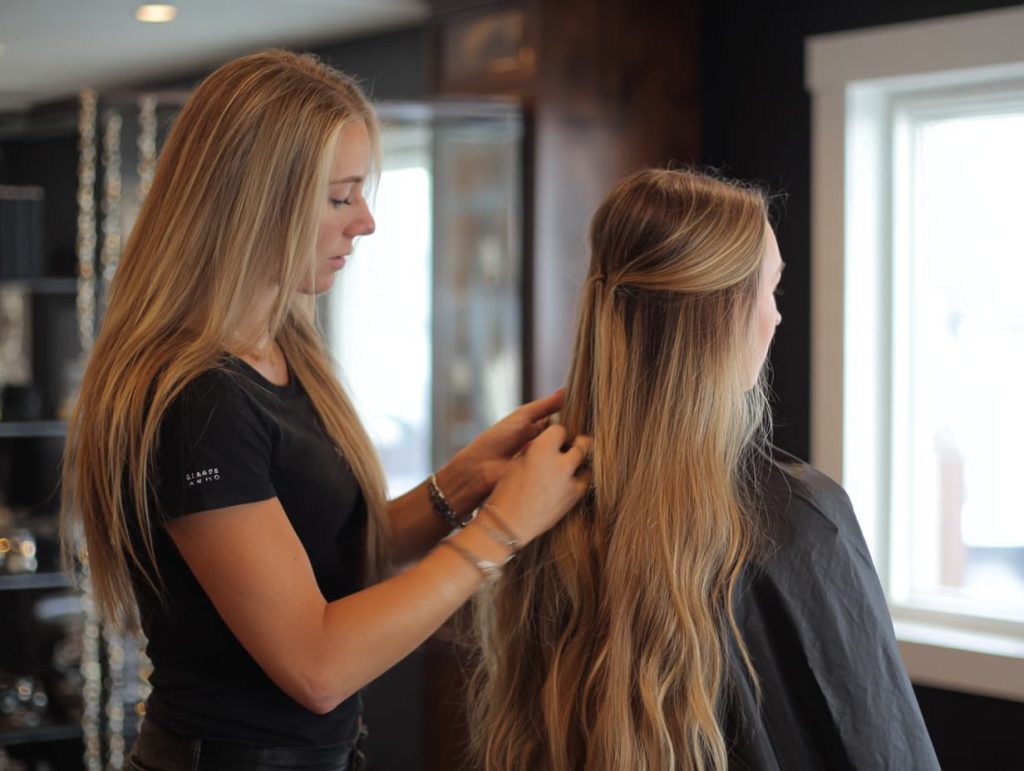
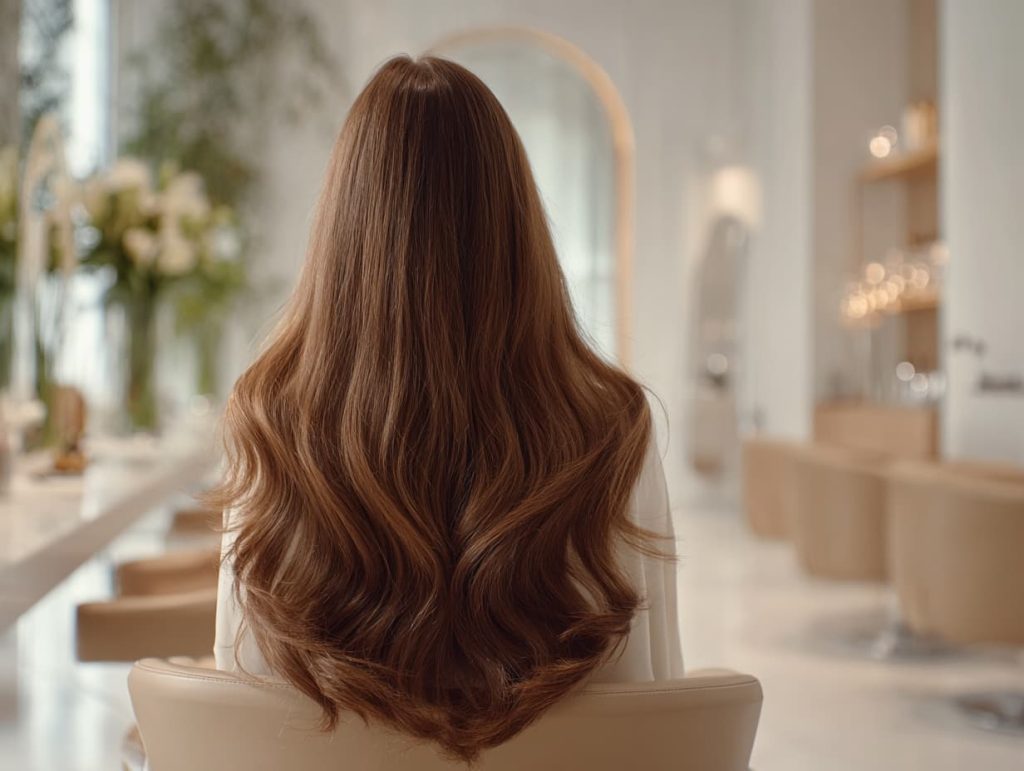
At Heli Beauty, our hair extension service is more than just a transformation; it’s a complete care experience. From the moment you sit in our salon chair, our expert stylists guide you through every step. They use the finest products and advanced techniques to ensure your extensions look flawless and last longer.
Our commitment doesn’t end when you leave the salon. Heli Beauty’s team offers ongoing consultations and professional guidance, answering all your questions and recommending the best practices for brushing, washing, styling, and protecting your extensions.
We provide personalized aftercare instructions tailored to your hair type and lifestyle, helping you maintain silky, smooth, and healthy strands at home. With our expertise and luxury products, you can feel confident knowing your extensions are in the care of true professionals.
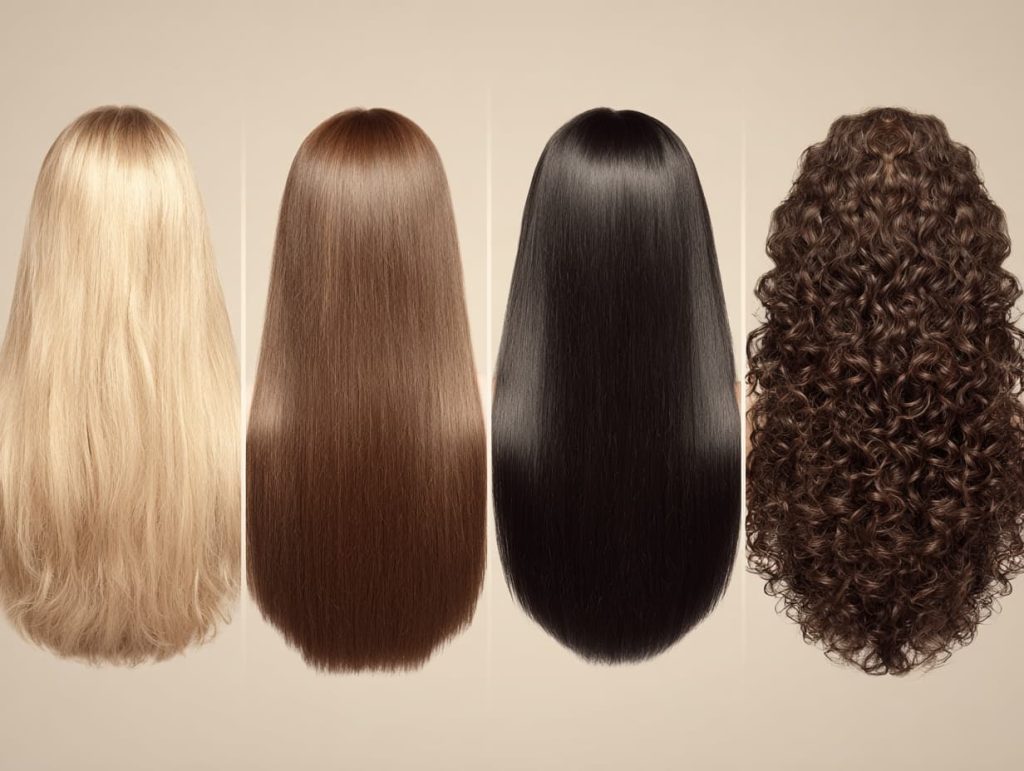
Every hair type has unique needs, and your extensions should be cared for according to your natural texture. Tailoring your hair extension aftercare routine ensures smooth, healthy, and long-lasting results. Here’s how to care for different hair types:
| Hair Type | Key Characteristics | Recommended Products | At-Home Care | Maintenance | Stylist Guidance |
|---|---|---|---|---|---|
| Fine or Thin Hair | Delicate, prone to stress at roots | Lightweight, volumizing shampoos & conditioners; avoid heavy oils/silicones | Brush softly with loop or soft-bristle brush; gentle handling | Salon maintenance every 4–6 weeks | Prevent tension at roots; monitor bond placement |
| Medium / Normal Hair | Balanced texture, moderate density | Moisturizing shampoos & conditioners (no buildup) | Detangle daily from ends to roots; limit heat; use heat protectant spray | Check-ins every 6–8 weeks | Ensure extensions are secure and healthy |
| Thick / Coarse Hair | Dense, strong but can tangle or mat | Rich shampoos & conditioners; leave-in conditioners; detangling sprays | Avoid pulling when styling/braiding; hydrate mid-lengths & ends | Professional maintenance every 6–8 weeks | Prevent matting and tangling; adjust extension weight if needed |
| Curly / Wavy Hair | Moisture-dependent; prone to frizz; texture preservation needed | Sulfate-free, curl-enhancing shampoos & conditioners; leave-in or curl cream | Detangle gently with fingers or wide-tooth comb; sleep with braid or silk scarf | Daily moisture & detangling; weekly deep hydration | Protect curl pattern; maintain natural movement and shine |
Fine hair is more delicate, so extensions need gentle care to avoid stress on natural strands. Use lightweight, volumizing shampoos and conditioners, and avoid heavy oils or silicones that weigh hair down.
Brush softly with a loop or soft-bristle brush. Regular maintenance every 4–6 weeks helps prevent tension at the roots.
Medium hair is versatile but still needs balanced care. Use moisturizing shampoos and conditioners that hydrate without buildup.
Detangle extensions daily from ends to roots. Limit heat styling and always apply a protectant spray. Regular salon check-ins every 6–8 weeks keep extensions secure and healthy.
Thick hair can handle more weight but needs strong hydration. Use rich shampoos and conditioners, and apply leave-in conditioners or detangling sprays to mid-lengths and ends. Avoid pulling extensions tightly when styling or braiding. Professional maintenance every 6–8 weeks prevents matting and tangling.
Curly or wavy hair extensions need moisture and frizz control to maintain definition. Use sulfate-free and curl-enhancing products. Detangle gently using fingers or a wide-tooth comb. Apply leave-in conditioner or curl cream to protect texture. Sleep with a braid or silk scarf to preserve curls overnight.
Tailoring your hair extension aftercare routine by hair type helps preserve the extensions’ integrity, shine, and natural movement.
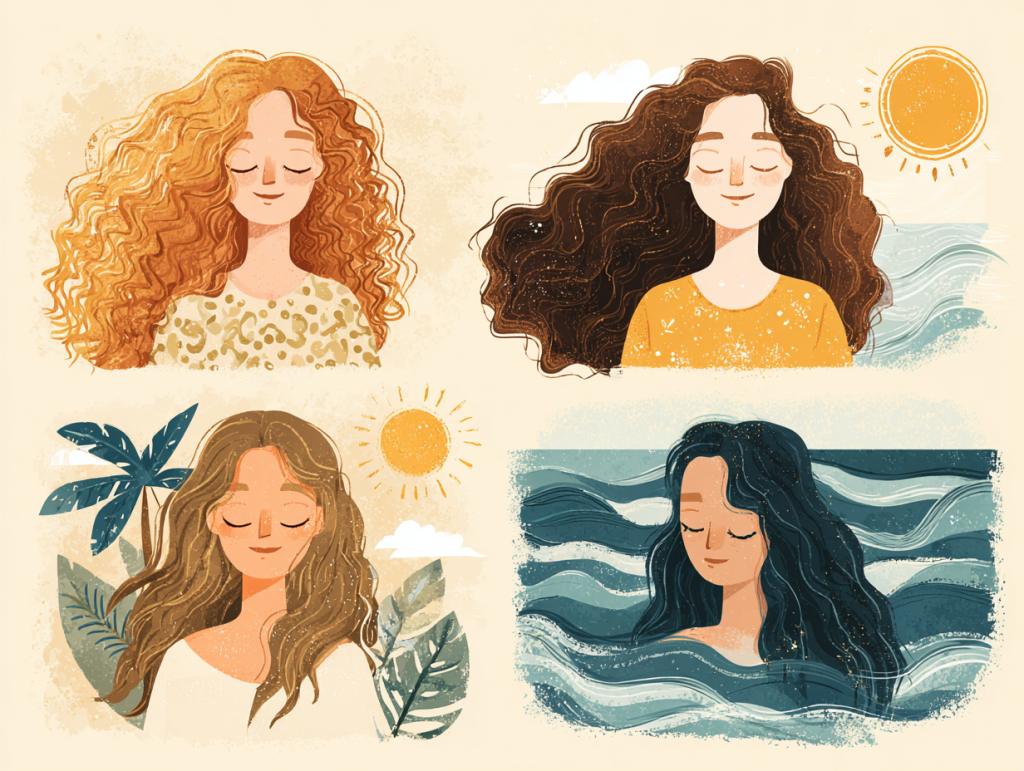
Different climates change how hair and bonds behave. Adjust your hair extension aftercare routine to suit local conditions. Below are practical, technical steps for common environments, with clear actions and measurable guidance where useful.
| Climate / Environment | Hair Challenges | Key Focus Areas | At-Home Care | Maintenance Tips | Special Notes |
|---|---|---|---|---|---|
| Hot & Humid | Cuticles lift, frizz, tangles, product buildup | Moisture control, reduce friction | Lightweight leave-ins, moderate humectants; wash oily scalp often; dry carefully | Check bonds regularly to prevent matting/slippage | Hair frizzes faster than in dry climates |
| Dry & Arid | Hair brittle, static, prone to breakage | Hydration, protection | Rich masks, leave-ins with light oils; wash less to retain natural oils; thermal protection; anti-static tools | Hydrate and seal ends regularly | Focus on preventing split ends and breakage |
| Cold & Windy | Rough hair, tangles, itchy scalp, dryness | Strengthen and hydrate | Protein treatments, hydration; loose braid at night; silk pillowcase; lightweight oil on ends | Check bonds every 6–8 weeks | Cold hair can tighten around beads; tangles form at nape |
| Coastal / Chlorinated | Salt and chlorine strip lipids, weaken bonds/tape | Protection from chemicals, hydration | Wet hair & leave-in barrier before swimming; braid hair; swim cap; rinse soon after swimming; deep hydration & emollient leave-ins | After every swim; maintain hydration | Tape and bonds can lift faster in salt/chlorine water |
| High Altitude / Sun-Exposed | UV damage, cuticle damage, color fade, low humidity | UV protection, hydration, color care | Color-safe shampoos/masks; leave-in conditioning; antioxidants; travel-size detangler for touch-ups | Daily sun exposure protection; touch-ups as needed | Protect extensions from sun and dehydration |
| Polluted / Urban | Buildup, dullness, free radical damage | Gentle cleansing, protection | Clean hair gently; monthly chelating shampoo; alternate with hydrating shampoo; protective hairstyles; antioxidant masks | Monthly chelating; daily gentle care | Scarves or upstyles reduce exposure to pollutants |
In hot and humid places, hair cuticles lift, causing frizz, tangles, and product buildup at the roots. Extensions need good moisture control and less friction. Compared to dry climates, hair gets frizzy faster.
Lightweight leave-ins and moderate humectants help smooth the hair. Wash oily scalps often and dry carefully. Check bonds regularly to avoid matting and slippage.
Dry air removes moisture, leaving hair brittle and static. Unlike humid climates, the focus is on hydration and protection. Use rich masks and leave-ins with light oils. Wash hair less to keep natural oils.
Thermal protection and anti-static tools help maintain smoothness. Hydrating and sealing ends prevent breakage in dry climates.
Cold and windy air roughens hair and causes tangles, especially at the nape. Hair gets dry, and scalp itchy. Protein treatments and hydration help strengthen hair. Sleep with a loose braid and a silk pillowcase to reduce friction.
Apply lightweight oil to ends to seal cuticles. Check bonds every 6–8 weeks because cold hair can tighten around beads.
Salt and chlorine remove lipids and change hair porosity. Bonds and tape can weaken faster. Before swimming, wet hair and use a leave-in barrier. Braid hair and wear a swim cap if possible.
Rinse hair soon after swimming. Use deep hydration and emollient leave-ins to restore balance.
High UV and low humidity can damage the cuticle and fade color. Hair needs UV protection and antioxidants. Colored extensions need color-safe shampoos and masks. Increase leave-in conditioning. Carry a travel-size detangler for daytime touch-ups.
Pollution causes buildup and dull hair. Clean hair slowly and gently to protect bonds. Use a chelating shampoo monthly. Alternate with a hydrating shampoo to keep moisture. Protective hairstyles like scarves or upstyles reduce exposure. Apply antioxidant masks to restore shine and neutralize free radicals.
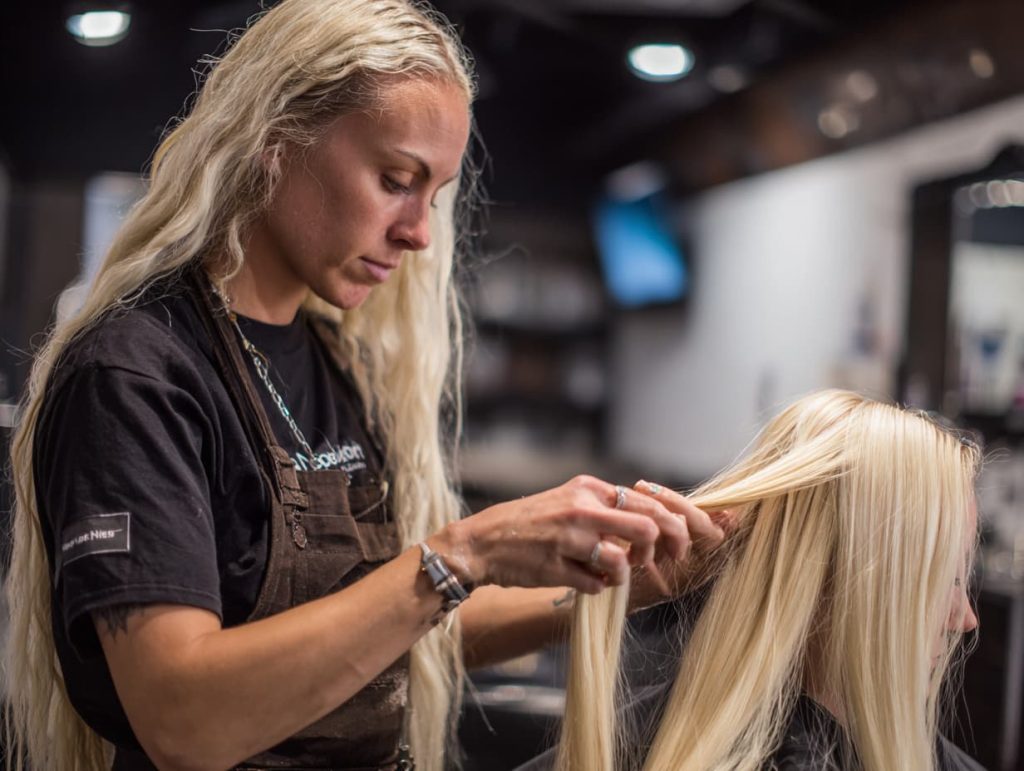
Even the best extensions can show problems without proper care. Here’s a clear guide to common issues, practical at-home fixes, and when to see your stylist at Heli Beauty.
| Issue | Cause | Symptoms | At-Home Fixes | Prevention Tips | When to See a Stylist |
|---|---|---|---|---|---|
| Matting & Severe Tangling | Hair not brushed or dried properly; dryness | Knots, mats from ends to roots | Gently detangle from ends to roots; use lightweight spray | Daily brushing, silk pillowcases | Tight mats near the scalp; cutting hair yourself can worsen it |
| Bond Lifting or Slippage (Tape, Keratin, Micro-Ring) | Pulling, heat exposure, oils on bonds | Bonds lifting, hair slipping | Clean gently, dry thoroughly, avoid pulling | Keep oils away from bonds; careful heat use | Lifting bonds needing correction within 1–2 weeks |
| Excessive Shedding / Sudden Hair Loss | Tension, improper attachment | Loss of hair density, patchy areas | Stop aggressive brushing; check for loose bonds; avoid tight hairstyles | Avoid heavy extensions; proper attachment | Persistent or patchy hair loss; consult stylist or trichologist |
| Itching, Flaking, or Scalp Irritation | Products, tight styling | Redness, flakes, itching | Wash gently with sulfate-free shampoo; soothing sprays or aloe mist | Avoid scratching; use gentle products | Persistent redness, sores, or irritation |
| Tension Bumps / Localized Swelling | Excess pressure on scalp | Small bumps, swelling, discomfort | Reduce tension; massage scalp gently | Use lighter extensions; proper maintenance | Painful or growing bumps requiring professional removal |
| Dryness, Split Ends, Brittle Texture | Lack of moisture; heat or styling damage | Brittle, rough hair, split ends | Hydrating leave-in, light oil on ends; deep-condition weekly; balance protein/moisture | Heat protection; regular conditioning | Severely brittle extensions needing replacement |
| Discoloration / Color Fade | UV exposure, swimming, washing | Faded color, dull appearance | Use color-safe, sulfate-free products; rinse after swimming; UV protection | Gentle hair care, avoid harsh chemicals | Major tone changes needing stylist correction |
| Product Buildup / Unpleasant Odor | Heavy styling products, residue | Dull look, odor | Gentle chelating shampoo; avoid heavy oils near bonds | Lighter products; proper cleansing routine | Persistent odor; professional cleansing or partial removal |
| Extension Twisting / Weft Movement | Improper placement, friction | Extensions shift or twist | Detangle and smooth gently | Follow maintenance intervals | Repeated movement or loose wefts needing stylist intervention |
Matting and tangling happen when hair isn’t brushed or dried properly. This is similar to dryness issues, as both make hair harder to manage. Gently detangle from ends to roots and use a lightweight spray.
Daily brushing and silk pillowcases prevent mats. If the mats are too tight near the scalp, a stylist should help; cutting the hair yourself can make the problem worse.
Bonds can lift if extensions are pulled or exposed to heat, which is different from tangling, where the hair itself knots. Avoid pulling and keep oils away from bonds. Clean gently and dry thoroughly. Lifting bonds should be corrected by a stylist within 1–2 weeks to prevent further damage.
Shedding is often caused by tension or improper attachment. Unlike mats or dryness, it affects hair density rather than texture. Stop aggressive brushing and check for loose bonds. Avoid tight hairstyles and heavy extensions. Persistent or patchy loss needs a stylist or trichologist.
Scalp irritation can occur from products or tight styling, similar to dryness, but it affects the scalp directly. Wash gently with sulfate-free shampoo and avoid scratching. Soothing sprays or aloe mist help calm irritation. Persistent redness or sores need a stylist’s assessment.
Tension bumps come from too much pressure on the scalp, unlike shedding or tangling, which affect hair itself. Reduce tension and massage the scalp gently. Lighter extensions and proper maintenance prevent bumps. Painful or growing bumps require professional removal.
Dry and brittle hair is similar to tangling because both make hair harder to manage. Use hydrating leave-in and light oil on ends. Deep-condition weekly and balance protein and moisture. Heat protection prevents further damage. Severely brittle extensions may need replacement.
Color fade affects appearance rather than texture, which is different from dryness or tangling. Use color-safe, sulfate-free products and UV protection. Rinse after swimming to protect color. Major tone changes should be fixed by a stylist.
Buildup is similar to tangling in that both make hair look dull, but buildup comes from residue. Use gentle chelating shampoo and lighter products. Avoid heavy oils near bonds. Persistent odor may need professional cleansing or partial removal.
Twisting or weft movement affects the position of the extensions, unlike dryness or shedding which affect hair itself. Detangle and smooth gently. Keep correct maintenance intervals. Repeated issues should be fixed by a stylist.
Minor issues like tangles or light frizz can be treated at home. More serious problems, such as lifting bonds, recurring mats, or unusual shedding, should be addressed within 1–2 weeks.
Urgent problems like large bumps, open sores, or major hair loss need immediate professional care. Regular check-ups at Heli Beauty can protect your natural hair and maintain the quality of extensions. See our guide about after protein hair treatment and hair botox aftercare for detailed aftercare suggestions.
Maintaining hair extensions works best with a mix of professional salon care and daily at-home routines. Understanding what to do at home and when to visit your stylist helps keep extensions healthy, smooth, and long-lasting.
Salon care focuses on treatments that are hard to do at home. Professionals re-tighten tape, micro-rings, or keratin bonds every 4–8 weeks. They also provide deep treatments like protein masks, hydration treatments, or glossing to restore shine and softness.
Color correction is done safely by experts to avoid damaging bonds or changing extension tone. Regular bond inspections help prevent lifting, slippage, or tension bumps. Learn more about keratin treatment aftercare to maintain results at home.
At-home care keeps extensions manageable between salon visits. Daily brushing with a loop or soft-bristle brush, starting from the ends to the bonds, prevents tangling. Gentle washing 1–3 times per week with sulfate-free shampoo, and conditioning only mid-length to ends, maintains moisture.
Heat protectants and limiting tight hairstyles protect bonds during styling. Leave-in conditioners, detangling sprays, or light oils control moisture and frizz. For sleep, braid or loosely tie hair and use silk or satin pillowcases to reduce friction.
Salon care and at-home routines complement each other. Combining both ensures extensions stay beautiful, healthy, and long-lasting while protecting natural hair.
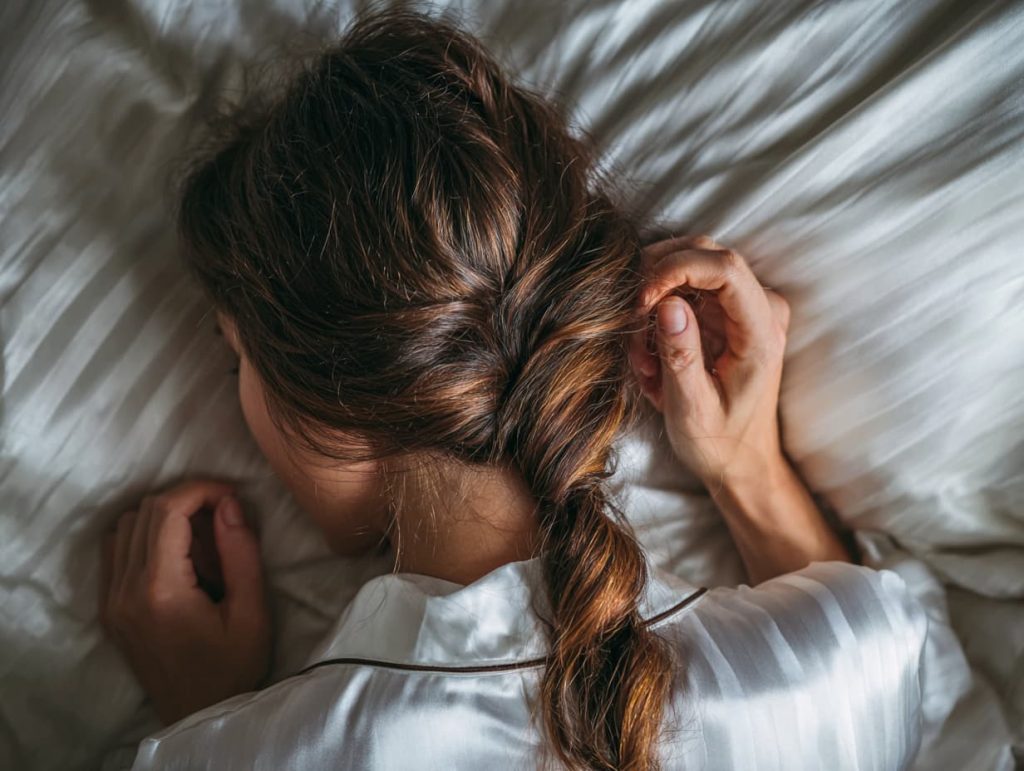
Tie your hair gently using a soft scrunchie or silk hair tie. Avoid tight knots near the bonds. Loose styles like low ponytails or braids protect your extensions.
Yes, it’s not ideal to sleep with wet hair extensions. Sleeping with wet extensions can cause tangling, matting, and unnecessary stress on the bonds or wefts. Always make sure your extensions are completely dry before bed, and consider braiding your hair or wrapping it in a silk scarf to keep them smooth overnight.
Use a soft-bristle or loop brush. Always start from the ends and work upwards. Hold the bond gently to avoid pulling. Brush daily to prevent tangles and damage.
With proper hair-extension aftercare, quality extensions can last 3–6 months. Micro-ring or tape-in extensions may need reapplication sooner. Regular maintenance extends their life.
Wait 48–72 hours before washing new extensions. This allows bonds to set. Use lukewarm water and a gentle shampoo when washing.
Use sulfate-free, paraben-free shampoos. Look for gentle formulas that hydrate hair. Avoid clarifying shampoos that can weaken bonds.
Braid your hair or tie it in a loose ponytail. Sleep on a silk or satin pillowcase to reduce friction. Never sleep with wet hair extensions.
Avoid heavy oils near the bonds, alcohol-based products, or strong chemicals. These can loosen extensions and dry hair.
Use a lightweight leave-in conditioner. Brush regularly and avoid harsh friction. Finish with a smoothing serum on the ends.
Apply a hydrating mask once a week. Use a nourishing leave-in conditioner daily. Always rinse thoroughly and air-dry when possible.
Yes, but keep it loose. High or tight ponytails can stress bonds. Use soft scrunchies and avoid pulling hair tightly.
Itching can occur from tight installation, product buildup, or sensitive skin. Use gentle shampoos and massage your scalp lightly. Consult your stylist if it persists.
It is not recommended. Removing extensions incorrectly can damage your natural hair. Always visit a professional stylist for safe removal.
Brush daily and hold the bonds while brushing. Avoid rubbing wet hair with a towel. Schedule regular maintenance to prevent matting.
It is best to avoid coloring at home. Some extensions cannot be dyed. Consult your stylist for safe coloring options.
Bumps may appear from tension. Massage gently and use mild shampoo. If irritation continues, ask your stylist to adjust or reapply the extensions.
Use dry shampoo near the scalp only. Apply a light leave-in conditioner to the ends. Brush gently to remove tangles and restore shine.
Yes, slight shedding is normal. Natural hair continues to shed, and small hairs can slip from bonds. Large clumps or frequent loss should be checked by a stylist.
Always use a heat protectant spray. Keep styling tools away from bonds. Limit heat styling and try heatless styles when possible.
Time for a Self Love Appointment!
Elevate Your Look with Our Luxurious Services